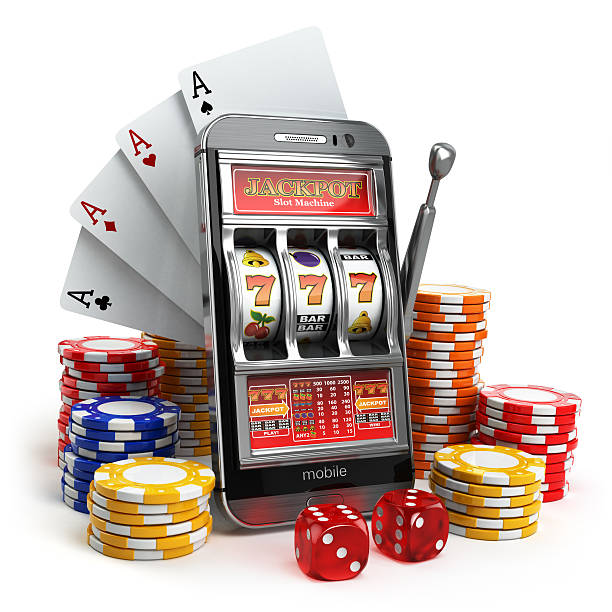
Jeux de casino mobiles et respect de l’environnement : quand les jackpots rencontrent la sobriété énergétique

Le jeu mobile a explosé ces dernières années : plus de 60 % des joueurs de casino en ligne préfèrent désormais les applications ou les sites responsives, accessibles en quelques tapotements. Cette popularité s’accompagne d’une consommation énergétique qui, bien que souvent négligée, devient un vrai sujet de préoccupation. Les smartphones, véritables consoles de poche, mobilisent processeur, GPU, réseau et écran pendant chaque session de roulette, de machine à sous ou de poker en direct.

Dans ce contexte, le concept de « gaming responsable » s’étend à la batterie. Il ne s’agit plus seulement de jouer de façon modérée, mais aussi de limiter l’impact carbone de chaque spin. Le lien vers un site de référence comme casino en ligne permet aux lecteurs de découvrir des ressources neutres sur le sujet.

Cet article décortique les pratiques éthiques des plateformes, met en lumière le coût énergétique des jackpots et examine le pic de trafic du Black Friday. Nous verrons comment les opérateurs peuvent concilier gros gains et sobriété, et quelles actions les joueurs peuvent entreprendre pour préserver leur batterie tout en profitant des promotions.

1. L’impact écologique du jeu mobile : chiffres clés et enjeux

Une session moyenne de jeux de casino sur smartphone dure 45 minutes et consomme environ 2,3 Wh, soit l’équivalent de 0,2 % d’une charge complète. Comparé au streaming vidéo (environ 3,5 Wh pour la même durée) ou à la navigation web (1,1 Wh), le jeu mobile se situe dans la moyenne haute des usages intensifs.

À l’échelle mondiale, le secteur du casino en ligne représente près de 0,4 % des émissions de CO₂ liées aux services numériques, soit l’équivalent de la consommation annuelle d’un petit pays insulaire. Cette empreinte provient principalement du data‑center qui héberge les algorithmes RNG, du trafic réseau et, surtout, de la puissance de calcul requise pour les animations 3D et les effets sonores.

Les enjeux sont donc doubles : réduire la charge sur les appareils individuels et diminuer la demande énergétique des serveurs. Une moindre consommation de batterie se traduit directement par moins de cycles de charge, ce qui prolonge la durée de vie des batteries lithium‑ion et diminue la quantité de déchets électroniques.

2. Les stratégies techniques des plateformes pour réduire la consommation de batterie

Technique Impact sur la batterie Exemple d’application
Optimisation GPU/CPU -30 % de consommation en mode “low‑power” Slots “Mega Spin” avec rendu GPU limité
Réduction des appels réseau -15 % d’énergie grâce à la mise en cache Jeux de table avec pré‑chargement des cartes
Adaptation dynamique de la résolution Ajuste la résolution en fonction du niveau de batterie Live casino qui passe de 1080p à 720p quand la batterie < 20 %

Les développeurs commencent par profiler le code afin d’identifier les sections gourmandes. Le passage du rendu graphique du CPU au GPU, lorsqu’il est possible, diminue la charge du processeur central et exploite les circuits spécialisés du téléphone.

Les modes « low‑power » désactivent les effets de particules, les ombres dynamiques et les sons en arrière‑plan. Certains fournisseurs proposent même une option “Eco‑Mode” qui réduit la fréquence d’images de 60 fps à 30 fps sans altérer la jouabilité.

Le cache local joue un rôle crucial : en stockant les textures et les tables de paiement, l’application évite des requêtes HTTP répétées, ce qui économise du temps de processeur et du trafic radio. Le pré‑chargement intelligent, quant à lui, charge les ressources nécessaires uniquement lorsqu’une partie est sur le point de commencer, évitant ainsi des pics de consommation.

3. Jackpot : attraction massive, mais à quel prix énergétique ?

Les jackpots progressifs attirent les joueurs mobiles par la promesse d’un gain qui peut dépasser plusieurs millions d’euros. Cette perspective crée des sessions plus longues, des animations plus spectaculaires et un volume sonore élevé, tous facteurs qui gonflent la consommation d’énergie.

Une étude interne d’une plateforme populaire montre que chaque spin d’un jackpot animé consomme en moyenne 0,07 Wh, contre 0,04 Wh pour un spin standard. Les animations de lumière, les compteurs de progression et les effets sonores multiplient la charge du GPU et du haut‑parleur.

Certaines plateformes ont déjà pris des mesures : simplification des animations (passage de 3 D à 2 D), désactivation par défaut du son, et mise à disposition d’un bouton “Battery Saver” qui réduit la fréquence de rafraîchissement du compteur.

3.1. Cas pratique : un jackpot « eco‑friendly » en 2024

Le jeu “EcoJackpot 2024” a introduit un algorithme d’animation adaptatif qui diminue la luminosité et la fréquence d’images dès que la batterie descend sous 30 %. Résultat : une réduction de 45 % de la consommation énergétique tout en conservant le même RTP de 96,5 % et le même jackpot de 1,2 million d’euros.

3.2. Le dilemme éthique : performance vs durabilité

Les joueurs attendent des jackpots visuellement époustouflants, tandis que les opérateurs sont pressés de réduire leur empreinte carbone. Le compromis consiste à offrir des options de personnalisation : le joueur peut choisir une version “spectacle” ou “éco”. Cette transparence renforce la confiance, mais implique que les opérateurs acceptent une possible baisse de l’engagement visuel.

4. Le Black Friday du casino mobile : promotions, trafic et surcharge énergétique

Chaque année, le Black Friday génère un pic de connexions qui peut atteindre 3,5 millions de sessions simultanées sur les principales applis de casino mobile. Les promotions massives (bonus de dépôt 200 % + 100 tours gratuits) incitent les joueurs à rester connectés plus longtemps, augmentant la charge sur les réseaux cellulaires et les batteries.

Cette affluence crée un risque de surchauffe, surtout sur les modèles de smartphones les plus anciens. Les experts recommandent de limiter les sessions à 30 minutes et d’activer les notifications d’économie d’énergie proposées par certaines plateformes.

Des initiatives ont vu le jour : un opérateur a introduit un compteur de temps de jeu qui envoie une alerte après 45 minutes, tandis qu’un autre propose un “Black Friday Cool‑Down” qui désactive les animations pendant les heures de pointe. Ces mesures visent à éviter la surcharge du processeur et à préserver la durée de vie des batteries.

5. Cadre réglementaire et lignes directrices éthiques

En Europe, la directive « Digital Services Act » encourage les développeurs à publier des indicateurs de consommation énergétique dans leurs stores. Aux États‑Unis, la Federal Trade Commission a publié des lignes directrices sur la transparence des performances des applications, incluant la consommation de batterie.

L’industrie a réagi avec la « Green Gaming Charter », un pacte volontaire où les éditeurs s’engagent à réduire de 20 % l’impact énergétique de leurs jeux d’ici 2027. La charte prévoit des audits annuels, la publication de tableaux de bord d’énergie et la mise à disposition d’options d’économie d’énergie.

Les autorités de protection des consommateurs, comme l’ARPP en France, surveillent que les publicités ne promettent pas des gains sans avertir du coût énergétique potentiel. Elles peuvent sanctionner les opérateurs qui ne respectent pas ces exigences.

6. Bonnes pratiques pour les joueurs soucieux de leur batterie

  • Activer le mode sombre : diminue la consommation de l’écran OLED de 15 % en moyenne.
  • Désactiver le GPS lorsqu’il n’est pas requis par le jeu (la plupart des slots ne l’utilisent pas).
  • Réduire le volume ou brancher des écouteurs pour limiter la puissance du haut‑parleur.

Astuces supplémentaires :

  1. Fermer les applications en arrière‑plan avant de lancer une session de jeu.
  2. Utiliser le mode « Économie d’énergie » du téléphone pendant les sessions longues.
  3. Brancher le chargeur uniquement si la batterie est inférieure à 20 % pour éviter les cycles de charge fréquents.

Une checklist téléchargeable (disponible sur des sites comme Numaparis) résume ces points et aide les joueurs à préparer une session « green ».

7. Études de cas : trois plateformes qui ont fait le choix de la sobriété

  • Plateforme A : a lancé un « Battery‑Saver Mode » dédié aux jackpots, qui désactive les effets lumineux et passe à 30 fps. Le taux de rétention a augmenté de 8 % grâce à la meilleure expérience utilisateur.
  • Plateforme B : a signé un partenariat avec le fabricant de smartphones GreenTech pour intégrer des optimisations firmware spécifiques aux jeux de casino, réduisant la consommation de 12 % en moyenne.
  • Plateforme C : affiche en temps réel les kilowattheures consommés par chaque session, offrant aux joueurs une visibilité totale sur leur impact carbone.

7.1. Résultats mesurés (batterie, satisfaction client, ROI)

Avant l’implémentation, la batterie moyenne des utilisateurs chutait de 25 % après une heure de jeu. Après le déploiement des mesures, la perte est tombée à 14 %. La satisfaction client, mesurée par le NPS, est passée de 62 à 71, tandis que le ROI a augmenté de 4 % grâce à une plus grande fidélisation.

8. Perspectives d’avenir : vers des jackpots « zéro‑impact »

Les technologies émergentes offrent des pistes prometteuses. L’edge computing permet de déplacer les calculs RNG vers des serveurs proches de l’utilisateur, réduisant le trafic réseau et la consommation d’énergie du smartphone. L’intelligence artificielle peut ajuster dynamiquement la luminosité et la fréquence d’images en fonction de la capacité de la batterie.

Imaginez un jackpot qui, dès le lancement, affiche un petit indicateur « CO₂ » : 0,03 kg CO₂e pour ce spin. Le joueur pourrait choisir de déclencher le jackpot uniquement s’il accepte cet impact.

À terme, le secteur pourrait viser des jackpots « zéro‑impact », où l’énergie consommée est compensée par des crédits carbone ou des projets de reforestation. Cette vision repose sur une collaboration étroite entre développeurs, fabricants de matériel et régulateurs, avec le soutien d’initiatives comme celles présentées sur Numaparis.

Conclusion

Le jeu mobile de casino ne doit plus être perçu comme un simple divertissement énergivore. En analysant l’impact écologique des sessions, en adoptant des stratégies techniques de réduction de consommation et en proposant des jackpots plus respectueux, les opérateurs peuvent concilier gains spectaculaires et sobriété. Le Black Friday, avec son afflux de trafic, constitue à la fois un défi et une opportunité pour mettre en place des limites de temps et des notifications d’économie.

Il appartient désormais aux plateformes de poursuivre leurs engagements éthiques, aux joueurs d’appliquer les bonnes pratiques présentées, et aux autorités de veiller à la transparence. Ensemble, nous pouvons imaginer un futur où les jackpots restent aussi excitants que rentables, tout en respectant la planète.

Understanding the Modern Digital Gambling Landscape

Top Online Casinos in 2025: Trusted Picks for Real Money Gaming
online casino

Online casinos have transformed digital entertainment by bringing the thrill of classic gaming directly to players worldwide, offering everything from immersive slots to live dealer tables. With advanced security protocols and mobile-friendly platforms, these sites deliver a safe and accessible gaming experience that rivals traditional venues. As real-money wagering grows in popularity, choosing licensed platforms ensures both fairness and player protection.

Understanding the Modern Digital Gambling Landscape

The modern digital gambling landscape didn’t arrive with a bang, but rather as a quiet evolution—first from smoky back rooms to desktop screens, and now into the palm of your hand. Today, a simple notification can pull you into a world of live dealers, instant crypto wagers, and algorithm-driven betting markets that feel more like a video game than a traditional casino. Yet beneath this slick interface lies a complex ecosystem of data tracking, behavioral design, and regulatory grey zones. The thrill is engineered, the odds are hidden in plain sight, and the boundary between entertainment and compulsion blurs with every autoplay spin. For the uninitiated, this isn’t just a pastime; it’s a digital minefield where responsible gambling strategies are the only reliable compass. Meanwhile, operators leverage predictive player analytics to keep engagement high, making awareness not just useful but essential for survival.

Key Differences Between Virtual Casinos and Land-Based Establishments

The modern digital gambling landscape has evolved far beyond simple online casinos, now encompassing live dealer platforms, skill-based betting apps, and blockchain-powered wagering systems. This shift is driven by convenience, instant accessibility, and immersive technology like virtual reality, yet it brings heightened risks of addiction and financial harm. Responsible gambling tools are the cornerstone of safe participation, as operators integrate deposit limits, self-exclusion options, and AI-driven behavior monitoring to protect users. However, regulatory frameworks remain fragmented across jurisdictions, creating loopholes that aggressive marketing can exploit. Players must navigate a maze of licensing bodies, payout fairness audits, and data privacy concerns. Ultimately, the smartest bet is informed skepticism, not blind trust in flashy interfaces. Understanding these dynamics empowers you to differentiate between legitimate platforms and predatory ones, ensuring your engagement stays controlled and strategic.

online casino

How Technology Has Transformed Traditional Gaming Tables

The modern digital gambling landscape is defined by unprecedented accessibility, where mobile applications and online platforms deliver casino games, sports betting, and poker directly to users around the clock. This ecosystem now integrates live-streamed dealers, cryptocurrency payments, and algorithm-driven personalized promotions, blurring the line between entertainment and risk. Responsible gambling tools have become a standard feature, offering deposit limits, self-exclusion options, and reality checks, yet the sheer volume of operators across jurisdictions complicates oversight. Key drivers include:

  • Rapid growth of in-play betting via smartphones.
  • Use of artificial intelligence for risk profiling and targeted ads.
  • Regulatory divergence—from strict licensing in the UK to grey-market operations elsewhere.

While these innovations enhance user engagement, they also raise concerns about consumer protection, problem gambling rates, and the effectiveness of age verification. Ultimately, understanding this landscape requires navigating both technological convenience and the evolving legal frameworks designed to mitigate its social costs.

Demographic Trends: Who Plays and Why Now

The modern digital gambling landscape is a hyper-competitive, data-driven ecosystem where user experience dictates market share. Mobile-first platforms now leverage AI to personalize bonuses and game recommendations in real time, while live-dealer streams bridge the gap between physical casinos and home screens. This shift demands a sharper focus on responsible gambling compliance as jurisdictions tighten licensing rules, especially around crypto payments and advertising algorithms. To thrive, operators must balance frictionless sign-ups with robust identity checks, and transparent payout speeds with immersive gamification. Key trends shaping 2025 include skill-based slots, social betting communities, and regulatory sandboxes for emerging markets. The result? A landscape where innovation is constant, but trust remains the ultimate currency for retention and long-term growth.

Selecting a Trustworthy Gaming Platform

Selecting a trustworthy gaming platform requires a methodical audit beyond flashy bonuses. Prioritize platforms with verifiable licenses from regulators like the UKGC or MGA, as these enforce strict player-protection protocols. Scrutinize the terms for wagering requirements and withdrawal limits, which often hide predatory conditions. Look for independent reviews and live chat responsiveness—test them before depositing. Crucially, verify SSL encryption and fair-play certifications from eCOGRA or iTech Labs. A reputable platform will display its payout percentages and transaction history transparently. For secure online gambling, always confirm the platform uses two-factor authentication and offers provably fair games. Avoid any site that delays payouts or lacks clear contact channels. Ultimately, a trustworthy platform prioritizes responsible gaming tools and dispute resolution, not just aggressive marketing. Your due diligence here is the most reliable bet you can make.

Licensing Bodies and Regulatory Oversight Explained

Selecting a trustworthy gaming platform demands more than just flashy bonuses; it requires a rigorous vetting process. Verified licensing and transparent terms form the bedrock of any safe betting or casino site. Check for oversight by authorities like the UKGC or MGA, and scan payment methods for reputable processors like Visa or PayPal. Also, read the fine print on wagering requirements and withdrawal limits before you deposit. A secure platform never pressures you to skip the fine print. Look for independent audits of the Random Number Generator (RNG), and confirm that SSL encryption protects your data. Banning account closures without reason is a red flag, so always cross-reference user reviews on multiple forums. Prioritize platforms that offer a clear, 24/7 customer support channel and a straightforward dispute process. Above all, trust your instincts: if a deal seems too aggressive or vague, walk away and find a site that respects your time and money.

Reading Independent Audits and Fair Play Certifications

Choosing where to play online can feel overwhelming, but the right approach boils down to verified security and transparent operations. Start by checking for a valid license from regulators like the UKGC or MGA, and scan independent review sites for real user complaints about payout speed. A trustworthy platform always uses SSL encryption and offers clear terms for bonuses, not buried caveats. Look for provably fair games and visible responsible gambling tools — these are non-negotiable markers. Secure payment methods and verified licensing separate reliable operators from fly-by-night sites. Below, a quick checklist:

  • Check the license number in the footer and cross-reference it on the regulator’s official site.
  • Test customer support response time before depositing.
  • Read the withdrawal policy — daily limits and processing fees matter.

Q: What is the fastest red flag? A: A site that pressures you to deposit before showing its license or terms — legitimate platforms display them openly.

Red Flags: Warning Signs of Unreliable Operators

Selecting a trustworthy gaming platform requires verifying licensing, encryption, and payout transparency. A credible operator holds a valid license from a recognized regulator, such as the UKGC or MGA, and publishes clear terms for bonuses and withdrawals. Secure payment methods and independent audits are non-negotiable, as they protect your funds and ensure fair play. Check user reviews on third-party forums to spot patterns of delayed payouts or rigged games. Also, confirm the site uses SSL encryption for data protection. A reliable platform offers 24/7 customer support and a responsible gambling policy with self-exclusion tools. Avoid platforms with vague ownership details or aggressive advertising. Ultimately, cross-referencing regulatory status with community feedback gives the clearest picture of reliability.

Game Variety: Beyond Slots and Table Classics

online casino

Modern gaming platforms extend far beyond traditional slot machines and classic table games, offering a diverse ecosystem that includes live dealer experiences, skill-based tournaments, and interactive game shows. This expanded game variety caters to different player preferences, from casual users seeking quick entertainment to strategic players who enjoy poker or blackjack variants with side bets. Additionally, many operators incorporate virtual sports, arcade-style titles, and hybrid games that blend chance with elements of video gaming, such as progression systems or bonus rounds. Such breadth not only enhances user engagement but also increases session retention, as players can switch between categories without leaving the platform. From an operational standpoint, this diversification reduces dependence on any single game type, stabilizing revenue streams. Ultimately, the shift toward multifaceted catalogs reflects a broader industry trend where game variety drives competitiveness and player loyalty in saturated markets.

online casino

Live Dealer Experiences: Real-Time Interaction from Home

Modern gaming venues have expanded far beyond traditional slot machines and table games, offering a diverse ecosystem of interactive experiences. This shift includes skill-based arcade challenges, live dealer formats with real-time streaming, and hybrid games that blend chance with strategy, such as virtual sports and crash games. Many platforms now feature tournament-style poker variants, bingo lounges, and even game-show-inspired titles like wheel spins or bonus drops. For players seeking depth, interactive game variety often includes:

  • Skill-based shooters or puzzle games with cash prizes
  • Augmented reality (AR) and virtual reality (VR) casino environments
  • Progressive jackpot networks linked across multiple titles

This diversification caters to casual users and high-rollers alike, reducing monotony and extending session engagement. Operators increasingly use data analytics to tailor recommendations, ensuring that variety is not just superficial but genuinely aligned with player preferences. The result is a more dynamic, accessible landscape that challenges the traditional casino archetype.

Progressive Jackpots and Networked Prize Pools

While slots and table games remain the backbone of any casino, true platform depth emerges from exploring the less obvious categories. As an expert, I advise diversifying your session with live dealer formats, which bridge the digital-physical gap, and skill-based options like video poker or bingo that offer a strategic counterpoint to pure chance. **Game variety significantly impacts player retention and overall satisfaction.** Consider the often-overlooked niche offerings:
Instant win titles (scratch cards) for quick, casual bursts.
Game shows (e.g., wheel-based or bonus-round formats) for interactive, high-energy play.
Progressive jackpot networks that link multiple games for massive, shared prizes.
Rotating through these categories prevents fatigue and often reveals better return-to-player percentages hidden outside the mainstream lobby. Prioritize platforms that curate these eclectic options, not just the thousands of identical slots.

Skill-Based Options: Poker, Blackjack, and Sports Betting Hybrids

Modern gaming platforms have evolved far beyond traditional reels and card tables, offering immersive experiences that cater to every taste. Live dealer games now stream real-time action directly to your screen, while skill-based tournaments and arcade-style challenges reward strategy over luck. Diverse game variety keeps players engaged by blending chance with interactive storytelling, from crash games and virtual sports to themed puzzle adventures. Beyond the classics, you’ll find progressive jackpot networks, bingo lounges, and even esports-style betting, each with unique mechanics and social features. This dynamic ecosystem ensures no two sessions feel alike, whether you’re chasing multipliers or competing against global players. Exploration is half the thrill—new genres appear monthly, reshaping what “casino entertainment” truly means. Whether you crave rapid-fire rounds or narrative depth, the options are as boundless as your curiosity.

Bonuses and Promotions: Separating Value from Traps

Bonuses and promotions are the most seductive elements of online gaming, but discerning true value from a disguised trap requires a forensic eye. The first thing I tell every player is to read the terms and conditions attached to the wagering requirement—a 20x playthrough on a deposit match differs wildly from a 50x requirement on winnings alone. Look for contribution percentages: slots often contribute 100%, while table games may only count 5–10%, making seemingly generous offers impossible to clear. Also, beware of “sticky” bonuses that remain locked with your funds, and always compare the maximum cashout cap. A high-value offer is one where the edge is mathematically calculable: if the expected loss from the wagering requirement is lower than the bonus cash, it’s positive value. Otherwise, you are simply buying a liability. Never chase a bonus to recover losses—that is the trap disguised as a lifeline.

Q: Is a no-deposit bonus always safe?
A: No. Many have extreme wagering (60x+) and a tiny max win (e.g., $50). If the requirement is 60x a $10 bonus ($600 turnover) and the game’s house edge is 5%, your expected loss is $30—three times the bonus. Skip it and wait for a better match.

Wagering Requirements: Calculating the True Cost of Free Spins

Bonuses and promotions can feel like free money, but the real trick is learning to spot genuine value versus cleverly disguised traps. A massive welcome offer often hides behind steep wagering requirements or short validity windows, turning a fun perk into a frustrating grind. To separate the gold from the glitter, always read the fine print and calculate the effective return—not just the headline number. Smart players focus on low wagering multipliers and realistic qualifying bets to maximize their actual chances. Look for offers that match your playstyle, whether that’s cashback, free spins, or reloads, rather than chasing flashy sums you’ll never unlock. Fair terms trump big numbers every time.

  • Check wagering: 20x is far better than 40x.
  • Watch expiry: 7 days to clear a bonus is tight.
  • Game restrictions: Slots often count 100%, table games sometimes 0%.

Q: Is a no-deposit bonus always a good deal?
A: Not always—it usually has a max cashout cap and high wagering, so you might win $50 but only cash out $10. Always weigh the cap against the effort.

Cashback Offers vs. Deposit Matches: Which Fits Your Style

Bonuses and promotions often appear lucrative, but their true value depends entirely on the accompanying terms. A high match percentage means little if the wagering requirement is steep, such as 40x or more on both deposit and bonus. Low maximum bet limits and restricted game eligibility can also turn a generous offer into a financial trap. To separate genuine value from marketing bait, always prioritize low wagering multipliers, fair validity periods, and transparent cashout caps. Comparable bonus terms analysis is essential before committing funds. Simple tools like a comparison checklist help: examine the playthrough rate, check excluded payment methods, and verify if winnings cap at a realistic amount. Promotions with free spins usually carry hidden win limits, while reload offers may demand high qualifying deposits. Ultimately, the safest bonus is one where the math visibly favors you, not the operator.

VIP Programs and Loyalty Tiers: Long-Term Player Rewards

Bonuses and promotions are powerful tools, but their true value lies in the fine print, not the flashy headline. A genuine offer has transparent wagering requirements, reasonable time limits, and fair game contributions. The trap emerges when operators inflate match percentages but attach 40x playthrough conditions or exclude high-RTP slots. To separate value from traps, always calculate the expected return: divide the bonus by the total wagering requirement. If the math yields a negative expected value beyond standard house edge, it’s a lure. Prefer low-wagering cashback or free spins with no max cashout over convoluted reload packs. Transparent bonus terms are the only sustainable advantage for a sharp player. Ultimately, a promotion serves you only if it fits your bankroll strategy—not the operator’s retention metric.

Payment Methods and Transaction Speed

In the fast-paced world of online transactions, the way you pay can make or break the experience. Modern platforms blend traditional credit and debit cards with cutting-edge digital wallets, from PayPal to Apple Pay, ensuring flexibility for every user. However, the real game-changer is **instant transaction processing**, where funds move in seconds rather than days. While bank transfers and e-checks often lag due to clearing protocols, blockchain-based payments and peer-to-peer apps now offer near-immediate settlement, even across borders. This speed isn’t just a convenience—it’s a competitive advantage for businesses and a stress-relief for shoppers, reducing cart abandonment and boosting trust. Of course, faster isn’t always risk-free; instant methods may carry higher fees or fewer dispute protections, so choosing the right tool for urgency versus security is www.moreniche.com key. Ultimately, the goal is simple: get your money moving without the wait, whether you’re tipping a creator or closing a high-stakes deal.

Q&A: Which method is fastest for international remittances?** Crypto transfers and certain fintech apps like Wise or Revolut can settle in under a minute, versus 1–5 business days for traditional wire transfers—just watch out for conversion markups and network congestion.

Cryptocurrency Adoption: Anonymity and Instant Settlements

Choosing the right payment method directly impacts how quickly your funds settle and when you can access them. For time-sensitive transactions, prioritize instant payment schemes like FedNow or SEPA Instant, which clear in seconds, whereas traditional ACH or wire transfers can take one to three business days depending on cutoffs. Credit cards offer immediate merchant settlement but funds only hit your bank account after the issuer’s reconciliation cycle, usually 24–48 hours. Digital wallets and stablecoin transfers often provide near-real-time processing, but verify network fees and liquidity windows. For cross-border payments, SWIFT remains reliable yet slower, while blockchain rails reduce settlement from days to minutes—though volatility and confirmation times vary by chain. Optimizing transaction speed requires matching payment infrastructure to your liquidity needs. Compare alternatives below:

  • Instant: RTP, FedNow, SEPA Instant, crypto (finality in seconds/minutes)
  • Same-day: Wire transfers (if submitted before cutoff), some ACH batches
  • 1–3 days: Standard ACH, card payouts, international SWIFT

Traditional Banking Options: Credit Cards, Wallets, and Bank Transfers

Payment methods and transaction speed are critical factors in modern digital commerce. Traditional bank transfers and credit card payments often require 1–3 business days for settlement, whereas digital wallets and real-time payment systems like RTP or FedNow process transactions almost instantly. For cross-border payments, blockchain-based solutions offer speed and transparency, though network congestion can cause delays. **Fast payment processing enhances user satisfaction** by reducing friction at checkout. The choice of method also impacts fees, security, and geographic availability.

  • Credit/Debit cards: 1–3 days, with chargeback protections.
  • Digital wallets (PayPal, Skrill): instant or near-instant, with withdrawal delays.
  • Cryptocurrencies: minutes, but variable based on network load.

Merchants often balance speed against risk, as faster payouts may increase fraud exposure. Ultimately, optimizing transaction speed requires integrating payment gateways that support multiple rails, ensuring both efficiency and compliance.

Withdrawal Policies: Payout Times, Limits, and Verification Hurdles

Navigating checkout should feel effortless, and modern payment methods are all about **instant payment processing** for maximum convenience. Digital wallets like PayPal, Apple Pay, and Google Pay enable one-tap transactions, while credit cards remain a universal fallback. For crypto enthusiasts, blockchain settlements can finalize in seconds, though network fees vary. The real game-changer is the shift toward real-time bank transfers, which eliminate the dreaded 2–3 day waiting period. Below is a quick comparison of common options:

  • Card payments: Approve in 2–5 seconds, but funds may take 24–48 hours to clear.
  • E-wallets: Near-instant, often under 10 seconds, with immediate merchant availability.
  • Wire transfers (SEPA/ACH): Slowest—1–3 business days, though newer instant rails (e.g., FedNow) change this.

Speed also depends on the merchant’s gateway and fraud checks. Always choose a method that balances velocity with security. Q: Why does an e-wallet feel faster than a card? A: Because the wallet pre-authorizes funds, bypassing bank waiting periods.

Mobile Gaming: Play Anywhere, Anytime

Mobile gaming has completely flipped the script on how we enjoy entertainment, letting us dive into epic adventures or quick brain teasers whether we’re crammed on a bus, lounging in bed, or sneaking a break at work. The magic lies in your pocket—no console, no TV, just a few taps and you’re hooked. With cloud streaming and offline modes, even shaky Wi-Fi won’t kill your streak, and the sheer variety of genres means there’s always something fresh to try. It’s all about flexibility: a five-minute puzzle session or a 40-minute battle royale fits seamlessly into your day. That instant accessibility is why mobile gaming has become a global habit, blending casual fun with hardcore competition. Whether you’re a seasoned pro or a total newbie, the next great game is literally a thumb’s swipe away—perfect for killing time or escaping reality, no matter where life takes you.

Native Apps vs. Browser-Based Platforms: Pros and Cons

Mobile gaming has shattered the limits of traditional play, turning every commute, coffee break, or waiting room into a personal arcade. The sheer convenience of pulling out a powerful device means your favorite battle royale or puzzle adventure is never more than a tap away, with cloud saves ensuring you never lose progress. Play anywhere, anytime is the defining promise of this platform, fueled by offline modes that work on a plane and seamless online multiplayer that connects you globally. From hyper-casual time killers to console-quality RPGs, the library adapts to your spare minutes or marathon sessions, making every idle moment a chance to level up.

Touchscreen Optimization and User Interface Design

The morning commute no longer means staring out a rain-streaked window; it’s a dungeon raid, a city build, or a last-second penalty shootout. Mobile gaming has truly delivered on the promise to play anywhere, anytime, turning idle minutes into epic micro-adventures. Your pocket is a portal, and the only loading screen is the blink of an eye. Whether you’re waiting for coffee, stuck in a queue, or hiding from social obligations at a party, your entire library is just a thumbprint away. The best part? It doesn’t demand a couch or a console—just a sliver of attention and a charged battery. Mobile gaming transforms dead time into dynamic play. From quick puzzle bursts to deep strategy sessions, the games adapt to your schedule, not the other way around. So, the next time life makes you wait, you’re not just passing time—you’re leveling up.

Data Usage and Battery Life Considerations for Extended Play

Mobile gaming has revolutionized entertainment by delivering console-quality experiences directly into our pockets, eliminating the barriers of time and location. The portability factor remains the industry’s core value proposition, allowing players to enjoy immersive titles during commutes, waiting rooms, or brief work breaks. To optimize performance, prioritize devices with high refresh rates and efficient thermal management, while managing storage by offloading rarely played games to cloud services. Always test a game’s touch controls before committing to in-app purchases. For sustained engagement, set daily session limits to avoid burnout, and use offline modes for travel or areas with poor connectivity. Leverage cross-save features to sync progress between your phone and PC. Ultimately, mastering mobile gaming means curating a library that fits your schedule, not just your screen.

The Psychology of Wagering and Responsible Play

The allure of wagering is deeply rooted in psychological mechanisms, such as variable-ratio reinforcement, where unpredictable rewards trigger dopamine releases that can create compulsive behavioral loops. Expert advice centers on recognizing these neural drivers before they escalate into problematic patterns. This is why the cornerstone of sustainable engagement is the practice of responsible gambling strategies, which involve setting strict time and monetary limits before a session begins, never chasing losses, and viewing the activity strictly as entertainment rather than a source of income. Crucially, self-awareness is your primary defense: monitor emotional states, as betting while stressed or euphoric significantly impairs judgment. Furthermore, taking regular breaks and using pre-commitment tools offered by reputable platforms are evidence-based methods to maintain cognitive control. Ultimately, the healthiest psychological approach treats wagering as a deliberate, budgeted leisure expense, ensuring that the thrill never overrides your financial stability or personal well-being. Safer gaming habits are built on proactive self-regulation, not willpower alone.

Behavioral Triggers: How Design Keeps Players Engaged

The psychology of wagering is driven by variable-ratio reinforcement, where unpredictable rewards trigger dopamine release, creating a compelling cycle of anticipation and engagement. This neurological response can blur perceived odds, leading players to overestimate their control or skill in chance-based games. Responsible play counteracts this by establishing clear, pre-set financial and time limits, which serve as rational boundaries against impulsive decision-making. Effective harm-minimization strategies include mandatory reality checks, cool-off periods, and self-exclusion tools, all of which mitigate the emotional highs and lows inherent in betting. By acknowledging these cognitive biases, such as the gambler’s fallacy or chasing losses, individuals can maintain wagering as an entertainment expense rather than a financial strategy. Ultimately, fostering awareness of these psychological triggers is the cornerstone of sustainable and informed participation in gambling activities.

Setting Limits: Time-Outs, Deposit Caps, and Self-Exclusion Tools

The thrill of a wager is a psychological dance between dopamine’s promise and the brain’s faulty risk calculus. Each near-miss feels like a lesson, not a loss, tricking the mind into chasing patterns where none exist. This is why the cornerstone of healthy engagement is responsible gambling practices, which act as a cognitive anchor against the house edge of impulse. A wise player treats their bankroll as a ticket to entertainment, not an investment, setting time and money limits *before* the first spin. The true mastery lies in recognizing the illusion of control—the dice fall where they fall, and the slot’s reels owe you nothing. By framing the game as a story of fleeting fun, not destiny, you keep the psychological thrill alive without letting it own the narrative. The moment the game stops feeling like play, the only winning move is to walk away.

Recognizing Early Signs of Gambling-Related Harm

The psychology of wagering is a fascinating interplay between cognitive biases and emotional reward loops, where the thrill of uncertainty often overrides rational judgment. Responsible play hinges on recognizing these mental triggers before they escalate, transforming a casual pastime into a controlled activity. Bettors frequently overestimate their chances of winning after near-misses, a phenomenon that fuels engagement but also demands self-awareness. To maintain equilibrium, set clear limits and view losses as the cost of entertainment, not as investments. Understanding your own triggers is the first defense against impulsive decisions.

  • Set a strict time and money budget before starting
  • Never chase losses—pause and reassess your mindset
  • Use self-exclusion tools if the excitement feels compulsive

online casino

Ultimately, the healthiest wager is one made with full awareness of the odds and your emotional state. Balancing risk with personal boundaries turns wagering into a leisure activity rather than a hazard, keeping the experience dynamic yet safe for long-term enjoyment.

Legal Frameworks and Jurisdictional Nuances

Legal frameworks governing cross-border activities are rarely monolithic; they emerge from a complex interplay of treaties, domestic statutes, and customary practice. Jurisdictional nuances often hinge on factors like territoriality, nationality, or the “effects doctrine,” where a state asserts authority over conduct occurring abroad if it produces substantial harm within its borders. For practitioners, the critical challenge lies in reconciling conflicting obligations—for instance, EU data protection rules under GDPR versus U.S. discovery orders—where compliance with one regime may constitute a violation of another. Navigating global compliance demands mapping not only formal law but also enforcement trends, comity principles, and forum non conveniens arguments, as courts increasingly weigh the practical fairness of asserting jurisdiction.

Never assume a contract choice-of-law clause immunizes you from mandatory local rules; public policy exceptions often override party autonomy in litigation.

Strategic risk management therefore requires early jurisdictional audits, recognizing that interim measures, anti-suit injunctions, and parallel proceedings can reshape the battlefield before merits are ever addressed. Cross-border dispute resolution ultimately rewards those who plan for nuance rather than treating borders as mere lines on a map.

State-by-State and Country-Specific Regulations

Navigating legal frameworks requires a disciplined approach to cross-border compliance strategies, as jurisdictional nuances can derail even the most robust business models. Expert counsel should always map the hierarchy of laws—international treaties, federal statutes, and local ordinances—before initiating any transaction. Pay particular attention to enforcement trends, not just black-letter text, since regulators in the EU, US, and APAC interpret identical clauses differently. For example, data residency rules differ sharply between GDPR’s territorial scope and China’s PIPL extraterritorial reach. A practical checklist includes: (1) identify the governing law clause, (2) assess mandatory local provisions that override contractual choice, and (3) confirm dispute resolution forums. Ignoring these layers invites forum-shopping risks and unexpected liability. Always stress-test your legal assumptions against actual case law in each operating region, as precedent often outweighs statutory language. This layered review minimizes surprises and strengthens defensibility.

Tax Implications on Winnings: What Players Must Report

Legal frameworks governing cross-border operations are rarely monolithic; they exist as layered systems of treaties, domestic statutes, and regulatory guidance that shift with geopolitical currents. Jurisdictional due diligence is the cornerstone of any compliant market entry strategy, as courts and arbitral tribunals often disagree on applicable law, forum selection clauses, and enforcement of foreign judgments. For instance, the EU’s GDPR imposes extraterritorial reach, while U.S. state-level privacy laws like the CCPA create a patchwork of obligations that can conflict with local data residency rules. Practitioners must map each jurisdiction’s hierarchy of norms—constitutional, statutory, and case law—before drafting contracts or dispute resolution clauses. A common pitfall is assuming that a choice-of-law provision immunizes parties from mandatory local consumer protections or antitrust scrutiny. Always assess whether the jurisdiction follows civil law’s codified rigidity or common law’s precedent-based flexibility, as this determines how gaps are filled.

“Jurisdiction is not a checkbox—it is a living risk that changes the moment your transaction touches another border.”

Practical steps include: (1) identifying binding bilateral investment treaties; (2) verifying whether the target state recognizes arbitration awards under the New York Convention; and (3) testing enforceability of default remedies against local public policy exceptions. Ignoring these nuances converts a routine commercial dispute into a costly forum-shopping battle.

Age Verification and Geolocation Compliance Measures

Navigating legal frameworks feels like learning a local dialect—the rules shift dramatically once you cross a border or even a state line. Jurisdictional nuances in international business are the hidden trapdoors, where a contract valid in New York might be unenforceable in London due to differing common law interpretations. Data privacy is a prime example: the GDPR’s extraterritorial reach clashes with the US’s sectoral approach, creating compliance headaches for startups. You’re not just following the law; you’re mapping overlapping layers—federal statutes, EU directives, and local case precedents. This means your compliance checklist should look like this:
– Determine which court has actual authority over your transaction.
– Check if the governing law clause is recognized in the opposing party’s home territory.
– Watch for “mandatory rules” that override contractual choices, like labor or antitrust.

The smart move is to always ask “where is this dispute actually resolved?” before signing anything, because a global agreement without a jurisdictional anchor is just a wish.

Maximizing Winning Potential with Strategic Approaches

Strategic approaches to maximizing winning potential hinge on data-driven decision-making rather than chance. By analyzing historical performance metrics, player tendencies, and situational variables, participants can identify inefficiencies in competitive environments. Incorporating bankroll management, adaptive playstyle shifts, and opponent modeling reduces variance while amplifying long-term returns. Key methods include leveraging predictive analytics to spot value discrepancies and employing risk-reward calibration during high-stakes moments. Crucially, sustained success requires continuous learning loops—post-match reviews and real-time adjustments—to refine tactics. While no system guarantees outcomes, disciplined execution of these frameworks consistently shifts probability curves favorably. Maximizing winning potential thus becomes a function of preparation, psychological resilience, and iterative optimization, transforming raw opportunity into measurable advantage over time.

Bankroll Management Techniques for Sustained Play

To maximize winning potential, you must shift from reactive play to a systematic framework built on data, discipline, and adaptability. The cornerstone of this strategy is **bankroll management**, which ensures you survive variance while capitalizing on favorable odds. Instead of chasing losses, allocate your resources across multiple high-probability opportunities, and use pre-defined entry and exit criteria to remove emotional decision-making. Additionally, study opponent behavior or market patterns to identify exploitable edges, then scale your stake only when the expected value is clearly positive. Track every outcome to refine your model, but remain flexible—what worked yesterday may fail today. Consistent, calculated aggression, paired with patience, turns luck into a repeatable process. Below is a quick reference checklist:

  • Set a loss limit before each session.
  • Use a staking plan (e.g., fixed percentage).
  • Review past decisions for bias, not just results.

Q: How do I handle losing streaks? A: Pause, reduce stake size by 50%, and re-verify your edge with fresh data—never increase bets to recover.

Game-Specific Strategies for Blackjack, Roulette, and Baccarat

To consistently maximize your winning potential, you must replace guesswork with a data-driven, iterative methodology. This begins with deep research into historical performance, competitor weaknesses, and environmental variables that influence outcomes. Instead of chasing every opportunity, you should prioritize high-probability scenarios where your specific strengths create a measurable edge. Strategic betting frameworks rely on bankroll management, disciplined stop-loss limits, and the systematic reallocation of capital toward the most favorable risk-reward ratios. By avoiding emotional reactions and sticking to a pre-defined playbook, you convert randomness into a calculated process. Every decision becomes a testable hypothesis, allowing you to refine tactics after each cycle. This approach does not guarantee every single win, but it significantly tilts the long-term odds in your favor, turning sporadic success into a reproducible outcome.

Understanding Return-to-Player Percentages and House Edge

To truly maximize winning potential, you must move beyond luck and embrace data-driven, adaptive tactics. This means analyzing opponent patterns, managing your bankroll with strict discipline, and knowing precisely when to pivot your strategy mid-game. A reactive mindset, fueled by real-time observation, often outperforms rigid plans. By focusing on high-probability scenarios and mitigating emotional swings, you turn uncertainty into a calculated edge. The key is consistency: small, informed adjustments compound into significant long-term gains, making every session a learning opportunity rather than a gamble.

  • Bankroll Allocation: Never risk more than 5% on a single play.
  • Pattern Recognition: Log your wins/losses to identify weak spots.
  • Timing: Strike when volatility is low and your confidence is high.

Q: Is aggressive play ever better than cautious?
A: Only if your aggression is backed by a clear statistical advantage. Otherwise, it’s just noise.

Emerging Trends Shaping the Next Decade of Gambling

The next decade of gambling is getting a serious tech upgrade, and it’s all about blending the real with the virtual. We’re seeing AI-driven personalization take center stage, where platforms learn your play style and tailor bonuses, game suggestions, and even responsible-gaming limits to fit you like a glove. Meanwhile, crypto and blockchain are moving past the hype, offering faster payouts and provably fair algorithms that rebuild trust in the system. Live dealer games are evolving into full immersive experiences with VR headsets, letting you chat with a croupier from your couch while it feels like you’re in Monaco. And don’t sleep on skill-based slots—they’re pulling in younger players who actually want a little agency in their spins. The big shift? It’s less about pure chance and more about interactive, social, and transparent play that feels less like a shady backroom and more like a premium entertainment app.

Q: Will this make gambling more addictive?
A:
Possibly, but the same AI that personalizes fun is also being used to spot problem patterns early, so many platforms are building in smarter self-exclusion tools—it’s a double-edged sword, but regulation is catching up fast.

Virtual Reality and Immersive 3D Environments

The next decade of gambling will be defined by the convergence of artificial intelligence, immersive technology, and regulatory evolution. AI-driven personalization will tailor game recommendations and responsible-gambling limits in real-time, while blockchain-based smart contracts promise provably fair outcomes and instant, transparent payouts. Simultaneously, augmented reality (AR) and virtual reality (VR) will transform online casinos into social, 3D environments, blurring the line between physical and digital play. Regulatory fragmentation across jurisdictions will remain a central challenge, forcing operators to adopt modular compliance frameworks. The rise of skill-based gaming and micro-betting on live events will attract younger demographics, demanding new risk modeling.

Data ownership and algorithmic accountability, not game design, will determine the industry’s long-term legitimacy.

Finally, the integration of digital identity verification and biometric authentication will redefine player onboarding, prioritizing security while enabling seamless cross-platform experiences.

Artificial Intelligence in Personalized Gaming Recommendations

The next decade of gambling will be defined by the convergence of immersive technology and regulatory evolution. Responsible gambling frameworks are becoming the central pillar of market expansion, as jurisdictions mandate advanced player protection tools. Simultaneously, blockchain-based wagering is moving beyond crypto casinos to enable provably fair mechanics and instant, transparent settlements for traditional sportsbooks. Artificial intelligence will drive hyper-personalized betting experiences, but also power sophisticated anomaly detection for fraud and problem gambling behavior. Live dealer games are merging with virtual reality to create social, interactive environments that mimic physical casino floors, while the rise of skill-based gaming blurs the line between pure chance and player agency. These shifts are forcing operators to integrate data ethics into their core product design, not just compliance layers.

Social Gaming Integration and Skill-Based Tournaments

The next decade of gambling will be defined by hyper-personalization and decentralized trust, with AI-driven risk engines replacing static house rules. Regulatory technology for responsible gaming will become the industry’s core competitive advantage, as biometric age checks and real-time spending limits integrate directly into payment rails. Meanwhile, tokenized loyalty ecosystems and provably fair smart contracts will erode the appeal of traditional casinos, pushing operators toward skill-based hybrid formats like competitive poker against AI dealers. Cryptocurrency and stablecoin settlements will dominate cross-border wagering, but only where regulators approve “sandbox” licensing for digital-only venues. The biggest shift: passive spectatorship will merge with active betting via live-streamed esports and virtual reality horse racing, where micro-bets occur on every lap or hand. Expect consolidation among tech-first platforms, while land-based venues pivot to experiential lounges—not gaming floors.

  • AI compliance dashboards will replace annual audits.
  • NFT-based player identities will port across jurisdictions.
  • Quantum-resistant encryption will secure in-play wagers.

Q: What kills a gambling brand by 2035?
A: Ignoring “duty-of-care” algorithms that pause play during emotional spikes—it’s now a license condition in most mature markets.

Navigating the Digital Wagering Landscape: A Modern Guide

Your Ultimate Guide to Online Casinos and Top Gaming Sites
online casino

Step into a world where every spin, deal, and bet pulses with the thrill of instant possibility—online casinos have transformed gambling into a 24/7 adrenaline rush accessible from your pocket. With cutting-edge graphics, live dealers, and jackpots that can change your life in seconds, the digital gaming floor offers unmatched convenience without sacrificing the heart-pounding excitement of a real casino. Whether you’re a seasoned high-roller or a curious newcomer, the next big win is just a click away—no dress code, no queues, just pure, unadulterated action.

Navigating the Digital Wagering Landscape: A Modern Guide

Success in the modern betting environment hinges on disciplined research and verified platforms, not impulse. Prioritize licensed operators with clear terms, and always treat wagering as an entertainment expense rather than an income stream. Effective bankroll management—dividing funds into fixed units per wager—protects against emotional downswings. Moreover, leverage live data and analytics tools to identify value odds, while ignoring “guaranteed win” schemes. Crucially, set strict time and financial limits before each session, and use self-exclusion tools if habits shift toward compulsion. Ultimately, the most profitable long-term strategy is detached, analytical engagement, where every bet is a calculated risk backed by statistics, not hope. This approach transforms casual gambling into a manageable, informed pastime. Remember, the house edge persists, so your greatest advantage is unshakeable personal discipline over any system or tipster.

Licensing Authorities and Regulatory Frameworks That Shape Player Safety

Navigating the digital wagering landscape demands a sharp blend of strategic discipline and platform literacy. Today’s bettors must prioritize licensed operators, verify payout speeds, and scrutinize algorithm-driven odds rather than falling for flashy bonuses. Responsible bankroll management separates sustained profitability from reckless churn, so set hard limits before placing a single wager. Leverage live-data analytics and cross-platform line comparisons to exploit inefficiencies, while avoiding “sure-win” schemes that prey on naivety. Choose sites with transparent terms, robust encryption, and 24/7 support, then test with small stakes before committing capital. The modern edge belongs to those who treat wagering as a calculated risk—not entertainment—and who adapt to shifting regulations without hesitation.

Understanding RNG Certifications and Fair Play Audits

Navigating the digital wagering landscape demands a disciplined blend of research, bankroll management, and platform scrutiny. Start by verifying licensing credentials and reading independent audits—unlicensed sites void your recourse instantly. Responsible bankroll allocation is the cornerstone of sustainable betting. Set a fixed monthly cap, never chase losses, and treat odds comparison as a non-negotiable ritual across multiple books. Use payout-speed reviews and live-chat response times to filter out unreliable operators. Your edge lies not in predicting outcomes, but in exploiting market inefficiencies before the line moves. Finally, leverage deposit limits and self-exclusion tools proactively, not reactively. Track every wager in a spreadsheet to identify leaks, and step away when emotional fatigue sets in—discipline outperforms intuition every session.

online casino

Geo-Restrictions vs. Global Access: How Jurisdictions Impact Your Play

Mastering the modern betting environment requires a blend of discipline, technical awareness, and bankroll management. The digital wagering landscape evolves rapidly, so prioritize licensed platforms with transparent terms and robust encryption. Responsible gambling frameworks are your first line of defense—set deposit limits and time-outs before placing any wager. Compare odds across operators, leverage cash-out features sparingly, and always verify payment methods for withdrawal speed. Avoid chasing losses and treat bonuses as strategic tools, not income sources. Stay updated on jurisdictional regulations, as geo-restrictions and tax implications vary drastically.

online casino

  • Audit platform licenses (e.g., UKGC, MGA) before registration.
  • Use separate e-wallets for betting funds to control spending.
  • Track historical performance using simple spreadsheets or betting apps.

Q: How do I spot a safe betting site?
A:
Check for SSL encryption, independent audit seals (e.g., eCOGRA), and clear dispute resolution channels. Avoid sites with vague ownership or delayed payouts.

Selecting a Trustworthy Platform: Key Red Flags and Green Lights

Choosing a reliable online ecosystem demands sharp vigilance, and the most decisive factor is verifiable transparency. Green lights include clear, audited security protocols, publicly listed physical addresses, and direct customer support channels that respond within hours, not days. Conversely, red flags appear when a platform hides fee structures, uses aggressive countdown timers, or floods social media with paid influencers while lacking independent reviews. Always cross-check domain age and regulatory licenses, as established entities rarely vanish overnight. For truly secure financial or data transactions, prioritize platforms that display third-party certifications and publish vulnerability disclosures. If a site pressures you to act quickly or refuses escrow options, walk away. The best platforms earn trust through consistent, boring reliability—not hype. Remember, legitimate operators welcome scrutiny, while fraudulent ones dodge it. Ultimately, your due diligence transforms anxiety into confidence, ensuring your investments and identity remain protected against predatory schemes.

Reading Between the Lines of Bonus Terms and Wagering Requirements

Choosing where to invest your time or money online feels like walking through a crowded bazaar—vibrant, promising, but full of shadows. A trustworthy platform whispers clarity, not hype; it shows verifiable reviews, transparent fees, and a human support line that answers before you ask twice. Green lights include clear privacy policies, real physical addresses, and community forums where criticism is allowed to breathe. Red flags flare when you see pressure tactics, vague ownership, or promises that defy gravity. Always test with a small transaction, read the fine print aloud, and trust the itch of unease—it’s your compass. Verify before you trust turns a gamble into a grounded decision, letting you walk the bazaar with your head held high.

Payment Method Diversity: From E-Wallets to Cryptocurrency Settlements

Selecting a trustworthy platform demands vigilance, not luck. Vet platform credibility before committing your data or capital by scanning for opaque ownership, missing contact details, or aggressive upselling—these are classic red flags. Conversely, green lights include transparent terms of service, verifiable user reviews, and proactive security certifications. Always test customer support responsiveness with a pre-sales question; a slow or robotic reply signals trouble. Trustworthy platforms openly publish their compliance standards and offer clear, accessible refund policies. If a site hides pricing behind a paywall or demands unnecessary permissions, walk away. Your due diligence now prevents costly recovery later—choose platforms that earn trust through visible accountability, not just polished marketing.

Customer Support Responsiveness as a Quality Benchmark

Selecting a trustworthy platform requires a balanced scan of both red flags and green lights. Key red flags include vague ownership details, missing or unverifiable contact information, aggressive pop-up ads, and a history of unresolved user complaints on independent review sites. Conversely, green lights are transparent terms of service, clear data privacy policies, and responsive customer support. A strong indicator of reliability is the presence of independent security certifications, which signal a commitment to safeguarding user data. Additionally, active community moderation and publicly posted response times to issues demonstrate accountability. Always cross-check platform claims with third-party sources; a polished website alone does not guarantee legitimacy. For financial platforms, verify regulatory registration with relevant authorities before sharing any sensitive information. Prioritizing these signals helps reduce risk and ensures a safer digital experience.

Game Variety and Strategic Depth: Beyond the Reels and Tables

Beyond the flashing reels and green felt lies a universe where game variety and strategic depth transform casual play into a cerebral challenge. Modern platforms now offer skill-based blackjack variations, poker tournaments with layered betting structures, and innovative crash games where timing and risk calculus replace pure chance. This evolution demands more than luck; it rewards pattern recognition, bankroll management, and psychological insight—qualities that elevate the experience from mere entertainment to a genuine test of wits. For the discerning player, the true allure is not the spin or the deal but the endless permutations of choice, where every decision carries weight and every hand offers a fresh puzzle. Embracing this complexity is the key to unlocking a richer, more rewarding engagement with the games you love.

Live Dealer Experiences and Real-Time Interaction Dynamics

Modern online casinos are way more than spinning reels and dealing cards. The real magic lies in the game variety and strategic depth you can unlock, from live dealer shows with real-time chat to skill-based poker variants and crash games that test your nerve. Interactive gaming ecosystems keep players hooked because they blend luck with decision-making, letting you adjust bets mid-round or bluff a virtual opponent. For example, you can jump from a fast-paced lightning roulette session to a blackjack side bet that requires counting, all without leaving the lobby. This mix ensures boredom never creeps in, and every session feels fresh—whether you’re a casual spinner or a calculating strategist. Ultimately, the floor is yours to explore.

Progressive Jackpots: Odds, Volatility, and Bankroll Considerations

Modern gaming platforms have moved way beyond spinning reels and card tables, offering a mix that keeps you guessing. You’ve got live dealer games that bring real-time tension, skill-based slots with bonus rounds that actually require quick decisions, and hybrid formats like game-show-style blackjack or crash games where timing beats luck. This variety isn’t just filler—it forces you to switch strategies constantly, whether you’re counting probabilities in poker, reading a dealer’s tempo, or deciding when to cash out a multiplier. The sweet spot is when luck meets a little brainwork, so every session feels fresh and slightly unpredictable. For players who dig that, the extra layers—side bets, progressive jackpots, or tournament leaderboards—turn a simple spin into a mini-chess match. Just remember: deep doesn’t always mean complicated, and knowing when to walk away is still the strongest move you can make.

Skill-Based Options: Poker, Blackjack Variations, and Esports Betting

Modern gaming platforms transcend simple spins and card draws, offering a rich ecosystem where interactive skill-based challenges dominate. From live dealer arenas that simulate real-world casino tension to gamified progression systems with unlockable tiers, every session demands adaptive tactics. Strategic depth emerges through side bets with quantifiable odds, volatility analysis in slot clusters, and tournament leaderboards that reward calculated risk—not mere luck. Players who master bankroll allocation and rule nuances gain a measurable edge, transforming entertainment into a cerebral pursuit. The fusion of RNG transparency with player-driven decision trees ensures no two sessions feel identical, keeping engagement high for both casual explorers and hardened strategists.

Mobile Gaming Optimization and Cross-Device Synchronization

When the train doors slid shut, Maya’s phone buzzed—her daily quest had just reset. She tapped the screen, but the real magic happened behind it: her battle-royale save, cloud-rendered graphics settings, and even her custom loadout had already synced to her tablet at home. This seamless handoff is the heart of **mobile gaming optimization**, where developers trim shader caches, throttle background processes, and use adaptive frame rates to keep battery drain minimal. Meanwhile, **cross-device synchronization** lets her pause on a phone mid-mission, then resume on a foldable or PC with zero lag, using edge-cloud sync to mirror progress in under 300 milliseconds. The story isn’t about the hardware—it’s about fluid continuity, where your match, your friends’ invites, and your in-game currency follow you like a loyal companion, turning commute chaos into a single, uninterrupted adventure.

Browser-Based Play vs. Native App Performance

online casino

Mobile gaming optimization focuses on delivering stable frame rates, reduced load times, and efficient battery usage across diverse hardware, from low-end Android devices to flagship phones. This involves adaptive resolution scaling, texture compression, and dynamic resource management to prevent thermal throttling. Meanwhile, cross-device synchronization enables players to seamlessly transition progress, in-app purchases, and settings between smartphones, tablets, and PCs via cloud saves and account-linked profiles. The core challenge lies in maintaining real-time multiplayer state consistency while handling variable network latencies and device-specific input methods. Effective synchronization relies on timestamped event queues, delta compression, and server-authoritative logic to avoid conflicts. Ultimately, optimization ensures parity in visual fidelity and responsiveness, while sync guarantees that a player’s session is uninterrupted regardless of switching hardware.

Data Usage, Load Times, and Offline Functionality Limitations

Mobile gaming optimization has evolved far beyond simple frame-rate tweaks, now demanding seamless performance across fragmented device ecosystems. By leveraging adaptive resolution scaling, touch-latency reduction, and thermal-aware resource management, developers deliver console-quality experiences on mid-range hardware while preserving battery life. Cross-device synchronization complements this by syncing player profiles, in-game currency, and progress via cloud-backed save states, enabling fluid transitions from smartphone to tablet or PC. Key pillars include real-time state merging, encrypted session tokens, and delta-based data sync to minimize bandwidth. Cross-device synchronization is the backbone of modern player retention, erasing the friction of starting over.

True optimization isn’t just about graphics—it’s about making every device feel like the same console.

Ultimately, the synergy between GPU-friendly code and smart data mirrors creates an invisible bridge, letting gamers pick up exactly where they left off—mid-battle, mid-level, or mid-victory—without missing a heartbeat.

Push Notifications and Responsible Gaming Tools on the Go

Every evening, Maya’s train rumbles home, and her phone hums to life—her farm’s crops watered, her guild’s raid prep done, all synced from her tablet’s morning session. Mobile gaming optimization isn’t just about frame rates; it’s the invisible bridge between a laggy commute and a seamless living-room couch adventure. Cross-device synchronization ensures progress never sleeps, so your quest log, inventory, and battle replays flow across Android, iOS, and PC like a single save file. This magic relies on cloud state management, adaptive rendering, and battery-aware throttling—keeping gameplay buttery while preserving your device’s juice. Whether you’re swiping on a subway or clicking on a desktop, the story pauses, not breaks, because your digital world waits patiently at every screen’s edge.

Deposit and Withdrawal Workflows: Speed, Fees, and Verification Hurdles

Deposit and withdrawal workflows are the true test of any trading platform, yet most operations remain bogged down by sluggish processing times, hidden fee structures, and redundant verification hurdles. A seamless experience demands that deposits credit instantly—ideally within seconds for crypto or e-wallets—while withdrawals should clear within hours, not days, to respect user capital. Transparent, flat-rate fees are non-negotiable; percentage-based charges or custodial gas fees that vanish mid-transaction erode trust instantly. The verification bottleneck, however, is where platforms fail hardest: KYC checks that demand endless document re-uploads and multi-day manual reviews create friction that drives high-value users to competitors. The winning formula is tiered verification—instant access for low-risk deposits, progressive limits for verified accounts, and automated AML screening that runs in the background without freezing legitimate payouts. By prioritizing speed, publishing fee schedules upfront, and making verification a one-time, frictionless process, platforms convert hesitation into relentless loyalty and position themselves as the undisputed liquidity gateway.

Instant Banking Solutions and Their Hidden Transaction Costs

Getting your money in and out of a trading platform can feel like a rollercoaster—the speed varies wildly depending on the method. Credit cards and e-wallets are usually instant, while bank transfers can take 2–5 business days. Fast payout processing times are a huge selling point, but fees often sneak in: some platforms charge a flat withdrawal fee, others a percentage, and a few absorb the cost entirely. The biggest headache is verification—you’ll likely need ID, proof of address, and sometimes a selfie, which can delay your first withdrawal by hours or even days. To avoid surprises, always check the fee schedule and complete KYC (Know Your Customer) checks *before* depositing big amounts.

KYC Procedures: What Documents Expedite Payouts

Deposit and withdrawal workflows dictate the true usability of any trading platform, and speed remains the ultimate battleground for user trust. While instant crypto deposits are now standard, fiat withdrawals still suffer from processing delays of 1–5 business days, which is unacceptable for active traders. **Fast payout processing** separates premium brokers from laggards, yet verification hurdles often derail this momentum. Mandatory KYC checks, proof of address, and source-of-funds documentation can stall withdrawals for days, especially when regulators demand enhanced due diligence. Fees compound the frustration, with blockchain network costs, currency conversion spreads, and flat withdrawal charges silently eroding profits. To avoid friction, choose platforms with tiered verification for high-volume users and transparent fee schedules disclosed before transaction initiation.

Currency Conversion Losses and How to Minimize Them

Getting your money in and out of a trading platform is where the real user experience lives or dies. Deposits are usually instant, especially with cards or e-wallets, but bank transfers can take a few business days because of intermediary checks. Withdrawals, on the other hand, often hit a speed wall—even after approval, the funds can take 24–72 hours to land. Fast payout processing times are the ultimate trust signal for any crypto or forex site. Fees sneak in on both sides: zero-cost deposits often hide spreads, while withdrawal fees are flat or percentage-based depending on the method. The biggest hurdle is verification—you’ll need ID, proof of address, and sometimes a selfie, and any mismatch triggers a manual review that can stall everything for days. Plan for KYC before you need cash, and you’ll avoid the worst friction.

Promotional Structures: Loyalty Tiers, Cashback, and No-Wager Offers

Promotional structures in modern iGaming and retail are designed to balance player retention with sustainable operator margins. Loyalty tiers typically reward sustained activity through escalating perks such as exclusive bonuses, faster withdrawals, or dedicated account managers, creating a psychological commitment to a single brand. Cashback offers function as a safety net, returning a percentage of net losses over a defined period, which reduces the sting of a losing session without requiring further deposit activity. In contrast, no-wager offers, often called free bets or bonus cash, eliminate the standard playthrough requirement, allowing any winnings to be withdrawn immediately. This structure appeals to value-driven users who dislike hidden terms. Together, these mechanisms form a risk-calibrated ecosystem where higher engagement unlocks better conditions, yet operators must carefully audit their long-term liability, especially when combining cashback with no-wager perks to avoid exposure to systematic arbitrage.

VIP Program Perks vs. Flat-Rate Rewards: A Comparative Analysis

Modern promotional structures have evolved far beyond simple welcome bonuses, now centering on long-term value and player autonomy. **Loyalty programs** reward consistent play with escalating tiers—from Bronze to Elite—unlocking perks like faster withdrawals, personal account managers, and exclusive event access. **Cashback offers** soften the blow of losing streaks by returning a fixed percentage of net losses, often weekly, providing a safety net that keeps players engaged. Meanwhile, **no-wager bonuses** are the gold standard of transparency, offering free spins or bonus credits with zero playthrough requirements, meaning any winnings are instantly withdrawable. These three pillars work together: tiers build status, cashback mitigates risk, and no-wager deals eliminate fine-print frustration. Savvy operators combine them to create a balanced ecosystem that feels rewarding rather than restrictive, ultimately driving higher retention and genuine player trust. The result is a shift from gimmicky traps to sustainable, player-first value propositions.

online casino

Seasonal Campaigns and Limited-Time Betting Boosts

Promotional structures in modern iGaming hinge on three proven mechanics: loyalty tiers, cashback, and no-wager offers. Loyalty programs reward sustained play with escalating perks—from exclusive bonuses to personal account managers—creating a tangible sense of progression. Cashback acts as a safety net, returning a percentage of net losses over a set period, which softens variance and keeps players engaged longer. No-wager offers eliminate the most frustrating term in bonuses: the wagering requirement, giving players instant, withdrawable value. Together, these structures build trust and retention, and high-value casino promotions with transparent terms outperform complex, restrictive deals every time. The best operators blend all three: tiered rewards for status, weekly cashback for resilience, and risk-free spins that pay out as real money. No-wager cash is the clearest signal that a brand respects your time. Choose platforms that prioritize simplicity over fine-print traps.

Terms That Void Winnings: Common Pitfalls to Avoid

Promotional structures in modern iGaming are no longer one-size-fits-all. **Loyalty tiers, cashback, and no-wager offers** each serve distinct player psychology: tiers reward frequency with escalating perks (free spins, personal managers), cashback softens variance by refunding a percentage of net losses, and no-wager bonuses eliminate playthrough requirements entirely, giving instant withdrawable value. For long-term value, prioritize no-wager cashback—it builds trust fastest. A hybrid approach works best:

  • Loyalty tiers: Best for high-volume regulars seeking status and exclusive events.
  • Cashback: Ideal for recovery after losing streaks—weekly is more effective than monthly.
  • No-wager: Perfect for casual players who abhor fine print.

Q&A: Which is most cost-effective for operators? No-wager offers have lower redemption rates but higher retention lift. Tiers create sunk-cost commitment, while cashback reduces churn directly.

Psychological Triggers and Behavioral Design in Wagering Interfaces

Psychological triggers are the silent architects of wagering behavior, engineered directly into the interface to bypass rational deliberation. By exploiting variable reward schedules—where wins arrive unpredictably—the design mimics slot-machine dopamine loops, compelling users to chase the next spin. Color contrasts, such as urgent red countdown timers or celebratory gold flashes, create artificial scarcity and loss aversion, nudging players to act before hesitation. Behavioral design further leverages near-miss visuals and social proof (e.g., “3 others are betting now”) to normalize risk and amplify FOMO. These embedded cues transform a simple bet into an emotional cascade, making exit difficult. Mastering these triggers ensures prolonged engagement, but ethical designers must weigh profit against player harm. Ultimately, the interface is not neutral—it is a persuasive weapon, calibrated to keep you anchored to the screen.

Loss Aversion Mechanics and Near-Miss Effects

Wagering interfaces leverage psychological triggers to shape user behavior, often through variable reward schedules that mimic slot-machine mechanics. These systems employ near-miss outcomes, where a loss appears close to a win, to reinforce continued play despite negative expected value. Behavioral design elements such as loss-chasing prompts, time-pressure cues, and personalized bonus offers exploit cognitive biases like the illusion of control and sunk cost fallacy. Responsible gambling safeguards are increasingly integrated, yet the primary goal remains session extension. Dark patterns, including obscured withdrawal options or misleading progress bars, are common, though regulatory scrutiny is growing. The ethical tension lies in balancing engagement metrics with player harm prevention, as even subtle UI choices—like button color or spin speed—can measurably alter betting frequency and stake size.

Session Timers, Reality Checks, and Self-Exclusion Features

Ever wonder why it’s so hard to stop after just one bet? Wagering interfaces are engineered with psychological triggers that tap into your brain’s reward system, using variable rewards and near-misses to keep you hooked. Behavioral design in wagering interfaces leverages loss aversion and urgency cues to make every spin or hand feel like a split-second decision, not a calculated risk. Countdown timers, flashing GambleOnline “big win” animations, and the illusion of control (like “stop” buttons that don’t actually influence outcomes) all nudge you toward faster, repeated actions. The house doesn’t rely on chance alone—it designs your mood. These patterns are subtle, but once you notice them, you can spot the manipulation behind the fun.

Gamification Elements: Achievements, Missions, and Leaderboards

Psychological triggers in wagering interfaces are meticulously engineered to exploit cognitive biases, turning casual engagement into compulsive behavior. The core mechanism relies on variable reward schedules, where unpredictable wins release dopamine, creating a neurological loop akin to slot-machine addiction. Designers deploy near-miss effects, where losing outcomes visually resemble wins, intensifying the urge to replay. Additionally, loss-chasing is amplified by “sunk cost” frames and countdown timers that fabricate urgency, while subtle color contrasts and sound cues condition rapid decision-making. Behavioral design also leverages social proof, displaying live betting activity to normalize risk. These elements combine to reduce friction, obscure time perception, and override rational risk assessment, ensuring the interface harvests attention and capital with surgical precision.

Security Protocols: Encryption Standards and Data Privacy Policies

Security protocols governing encryption standards and data privacy policies form the bedrock of modern digital trust. Organizations typically deploy symmetric algorithms like AES-256 for bulk data at rest, while asymmetric methods such as RSA or ECC secure key exchange and digital signatures. Compliance frameworks—including GDPR, HIPAA, and PCI-DSS—mandate specific controls, such as end-to-end encryption for transmissions and tokenization for sensitive fields. These policies also define data minimization, access retention schedules, and breach notification timelines. Regular audits and cryptographic agility are essential, as standards evolve to counter quantum computing threats. By aligning technical safeguards with legal mandates, enterprises mitigate liability and uphold consumer confidence in their handling of personal information.

Two-Factor Authentication and Biometric Login Options

Modern security protocols hinge on a defense-in-depth approach where encryption standards and data privacy policies operate in lockstep. For data at rest, AES-256 remains the gold standard, while TLS 1.3 is non-negotiable for data in transit, ensuring forward secrecy against interception. Your privacy policy must explicitly map to these technical controls—for instance, tokenizing payment data and hashing credentials with bcrypt. Compliance frameworks like GDPR and CCPA demand that encryption keys be managed separately from the data they protect, often via a Hardware Security Module (HSM) or cloud KMS with rotation schedules. Also enforce zero-trust access: least-privilege roles, MFA, and audit logging. Never rely solely on transport encryption; apply column-level encryption for sensitive fields, and test your policy with annual penetration tests and data flow mapping. Otherwise, you risk regulatory fines and breach liability.

Responsible Disclosure and Third-Party Vulnerability Testing

Modern security protocols lean heavily on robust encryption standards like AES-256 and TLS 1.3 to keep your data scrambled during transit and at rest, while data privacy policies—think GDPR or CCPA—dictate how that scrambled info is collected, stored, and shared. The real trick is pairing strong crypto with clear user consent, so you’re not just protected from hackers but also from shady data misuse. Think of encryption as the lock, and privacy policies as the rulebook for who gets the key. Here’s what you should glance at in any system:

  • AES-256 for file storage, TLS 1.3 for connections.
  • Zero-knowledge architecture, where even the provider can’t read your files.
  • Regular audits and breach-notification timelines under your local privacy law.

Data privacy policies also force companies to minimize what they collect, so you’re not handing over your life story for a free app. Stick with services that publish these details plainly—if they’re vague, that’s a red flag.

Incident Response Plans When Breaches Occur

Modern security protocols hinge on the deployment of robust encryption standards like AES-256 and TLS 1.3, which render sensitive data unreadable during transmission and at rest. These cryptographic measures are non-negotiable for achieving regulatory compliance, yet they only form half the fortress. A comprehensive data privacy policy must operationalize these standards through strict access controls, routine vulnerability assessments, and clearly defined data lifecycle management. Defense-in-depth strategies ensure that even if a perimeter is breached, layered encryption and granular permission policies neutralize the threat. To remain resilient, organizations must adopt a zero-trust model, enforce mandatory multi-factor authentication, and conduct periodic audits for policy adherence, ensuring that privacy is not merely a checkbox but an embedded operational principle.

Emerging Tech Integration: VR Casinos, AI Dealers, and Blockchain Provability

The convergence of virtual reality, artificial intelligence, and blockchain is fundamentally reshaping the iGaming landscape, moving beyond novelty into operational necessity. For operators, integrating VR casinos offers immersive, social environments that dramatically boost player retention, while AI-driven dealers provide adaptive, fair, and tirelessly consistent gameplay that scales without human overhead. However, the true linchpin for long-term trust lies in blockchain provability, which transforms every shuffle, deal, and spin into a cryptographically auditable event.

In this new era, provable fairness isn’t a marketing add-on—it is the non-negotiable contract between the house and the player.

My expert advice is to prioritize backend transparency over flashy graphics; a seamless VR experience with verifiable RNGs will always outperform a beautiful but opaque platform. Prioritize smart contract integration for payouts to reduce dispute resolution costs and build institutional credibility in a crowded market.

Metaverse Environments and Social Presence in Virtual Lounges

Virtual reality is finally making online casinos feel like the real thing—you can walk up to a blackjack table, grab a seat, and watch a holographic dealer shuffle cards right in front of you. AI dealers are getting scarily good at reading player tempo and adjusting game pace, which keeps things smooth without that robotic lag. The real game-changer, though, is blockchain provability, because every hand, spin, and shuffle gets logged on an immutable ledger. That means you can verify the fairness of a bet after the fact, no blind trust needed. It’s not perfect yet—glitches and lag still pop up—but the combo of immersive 3D spaces, adaptive AI, and transparent verification is turning gambling into something you can actually audit. For anyone tired of wondering if the house is cheating, this tech stack finally delivers real accountability. Blockchain provability removes the guesswork from online gambling.

Smart Contract Payouts and Transparency in Transaction Ledgers

The future of online gambling is shaping up to be far more immersive and trustworthy, blending the physical thrill of a casino floor with the convenience of your living room. VR casinos now let you walk around virtual spaces, chat with other avatars, and pull a slot lever with motion controllers, while AI dealers handle blackjack or roulette with lifelike patience and zero fatigue. Behind the scenes, blockchain provability is the quiet hero—every card shuffle and dice roll gets logged on a public ledger, so you can verify fairness yourself instead of just taking the platform’s word. This isn’t just a gimmick; it’s a shift toward transparent entertainment. Emerging tech integration in gambling is less about flashy graphics and more about building genuine player trust. You still get the adrenaline, but now you can check the math.

If you can’t audit the game, you’re not playing—you’re hoping.

  • VR: social presence and spatial audio for real table vibes.
  • AI: adaptive difficulty and instant rule explanations.
  • Blockchain: hash-linked results that resist tampering.

Predictive Algorithms for Personalized Game Recommendations

Virtual reality casinos now simulate full-scale gaming floors, allowing users to interact with digital tables and avatars while wearing headsets. Meanwhile, AI dealers manage card games and roulette with adaptive pacing, responding to player behavior in real time. Blockchain technology complements these systems by recording every shuffle, spin, and hand on an immutable ledger, enabling instant verification of outcomes through public hashes. This combination reduces human error and operational costs while increasing transparency. The seamless blend of hardware, neural networks, and distributed ledgers is becoming the standard for licensed operators seeking competitive advantage. However, regulatory frameworks still lag behind the technical possibilities, particularly regarding cross-jurisdictional data flow and player authentication.

Community Dynamics: Forums, Streams, and Social Proof Pitfalls

Online communities are living ecosystems, and understanding their pulse means watching how forums, streams, and social proof interact. Forums thrive on slow-burn discussions where deep answers get rewarded, while livestreams create a real-time FOMO effect—viewers jump in because everyone else is typing “LOL” or “W” in chat. The catch? Social proof pitfalls can skew the vibe fast. A chat full of hype might mask an empty product review, or a forum thread with 500 replies might just be people arguing with a bot. Don’t let fake engagement metrics trick you into joining a ghost town—check if the conversation has actual substance, not just noise. When numbers become the only signal, you risk building a community that performs well externally but feels hollow internally. That’s where trust and authentic interaction become your real growth levers, not just view counts.

Influencer Endorsements and Their Disclosure Compliance

Community dynamics hinge on the delicate interplay between asynchronous forums and real-time streams, where each format shapes user behavior differently. Forums reward depth and searchable knowledge, while streams thrive on immediacy and spontaneous interaction, yet both risk distorting engagement through the lens of social proof. The pitfall emerges when popularity metrics—likes, view counts, or active user badges—overshadow genuine value, pushing members to chase validation rather than contribute meaningfully. Viral noise can easily drown out substantive signal if algorithms prioritize engagement over expertise. This distortion often creates a feedback loop: new users mimic trending but low-quality posts, while veteran voices retreat or adapt to the loudest norm. Sustainable community growth requires deliberate moderation of visibility cues to balance serendipity with substance, ensuring that neither flood of streams nor curated threads become echo chambers. Navigating this landscape demands constant recalibration of what “active” truly means beyond raw numbers.

Shared Jackpot Pools and Syndicate Betting Strategies

Community dynamics hinge on the delicate interplay between real-time streams, structured forums, and the psychological weight of social proof. While live chats and update feeds create instant engagement, they often drown out deeper, threaded conversations that forums excel at preserving. The pitfalls of social proof emerge when inflated metrics—like follower counts or upvote ratios—overshadow actual content quality, driving newcomers to mimic low-effort trends rather than contribute value. This feedback loop can turn vibrant spaces into echo chambers. To avoid this, platforms must prioritize algorithmic transparency and moderation that rewards substance over virality. Otherwise, the visible “buzz” becomes a veneer for shallow interactions, eroding trust and long-term member investment. Sustainable communities thrive when signal, not noise, shapes collective behavior.

User-Generated Review Reliability and Filtering Tactics

Community dynamics hinge on the interplay between synchronous streams and asynchronous forums, where real-time chat fosters immediacy while threaded discussions preserve context. However, social proof pitfalls emerge when engagement metrics—likes, view counts, or upvote ratios—override substantive value, causing bandwagon effects that suppress minority viewpoints. Forums risk echo chambers when early replies set a dominant tone, while streams amplify recency bias, making fleeting opinions appear consensus-driven. Moderation must balance algorithmic visibility with human curation to prevent manufactured popularity from distorting trust. Key risks include: 1) Herd behavior from inflated numbers, 2) validation cascades where low-quality posts gain traction, and 3) status hierarchies that reward participation over expertise. Effective communities design anonymized prompts and rotate featured content to mitigate these biases.

Come i tornei basati su blockchain stanno rivoluzionando la trasparenza nel settore iGaming

Il panorama dei giochi d’azzardo online è oggi caratterizzato da una crescita esponenziale, ma anche da preoccupazioni sempre più acute riguardo a fairness e tracciabilità. I giocatori chiedono prove concrete che i risultati non siano manipolati e che i premi vengano erogati senza ritardi. In questo contesto, la blockchain si presenta come una risposta tecnologica capace di garantire immutabilità e audit pubblico. Per chi vuole approfondire le opzioni di gioco, il portale migliori slot online offre una panoramica delle offerte più sicure e trasparenti.

I tornei online, con le loro classifiche dinamiche e i pool di premi consistenti, rappresentano una delle aree più sensibili: la percezione di equità è fondamentale per mantenere alta la partecipazione. Questo articolo analizza come le soluzioni basate su blockchain stiano cambiando le regole del gioco, fornendo una guida passo‑passo per operatori e giocatori che desiderano sfruttare al meglio questa innovazione.

1. Perché i tornei online hanno bisogno di trasparenza

I tornei di slot o di giochi da tavolo si differenziano dalle scommesse tradizionali perché coinvolgono più partecipanti, classifiche in tempo reale e premi distribuiti in base al posizionamento finale. Un tipico torneo “leaderboard” prevede iscrizioni a quota fissa, una fase di gioco di 30‑60 minuti e un pool di premi che può superare i 10 000 €, suddiviso tra i primi tre classificati.

Nel modello tradizionale, la gestione di questi elementi è affidata a sistemi proprietari. Le criticità più frequenti includono:

  • Manipolazione dei risultati: amministratori o fornitori di software possono intervenire sui dati di gioco, alterando i punteggi.
  • Ritardi nei pagamenti: le verifiche manuali richiedono giorni, generando frustrazione e aumenti di richieste di supporto.
  • Assenza di audit indipendente: senza un registro pubblico, i giocatori non possono verificare autonomamente l’integrità del torneo.

Queste lacune erodano la fiducia, soprattutto tra i giocatori più esperti che confrontano costantemente i RTP (Return to Player) e la volatilità dei giochi. Quando la reputazione di un operatore è messa in dubbio, il tasso di ritenzione cala rapidamente.

La “verifica provably fair” è un concetto nato nei giochi d’azzardo crypto, dove l’algoritmo di generazione dei numeri casuali (RNG) è firmato digitalmente e può essere ricontrollato dal giocatore. Nei tornei, però, la complessità aumenta: non basta dimostrare che ogni singola mano o spin sia equa, ma occorre anche certificare la corretta aggregazione dei punteggi e la distribuzione dei premi.

Aspetto Soluzione tradizionale Soluzione blockchain
Registrazione punteggi Database interno, audit interno Registro on‑chain, immutabile
Calcolo premi Script proprietario, revisione manuale Smart contract, esecuzione automatica
Verifica trasparenza Richiesta al supporto Visualizzazione pubblica su explorer

Per questi motivi, la trasparenza diventa un requisito imprescindibile per i tornei online: è la chiave per mantenere alta la partecipazione, ridurre i costi di supporto e rafforzare la brand reputation.

2. La blockchain come infrastruttura di fiducia per i tornei

Una blockchain è essenzialmente un registro distribuito dove ogni blocco contiene transazioni firmate crittograficamente. Le sue proprietà fondamentali – immutabilità, consenso distribuito e capacità di eseguire smart contract – la rendono ideale per gestire processi complessi come i tornei iGaming.

Immutabilità garantisce che una volta registrato un risultato (ad esempio il punteggio di un giocatore), nessuno possa alterarlo retroattivamente. Il consenso (Proof‑of‑Stake su Ethereum 2.0, Proof‑of‑History su Solana) assicura che tutti i nodi concordino sulla stessa versione del registro, eliminando il rischio di “single point of failure”.

Gli smart contract sono programmi autonomi che si attivano al verificarsi di condizioni predefinite. In un torneo, un contratto può:

  1. Accettare l’iscrizione e bloccare la quota in un wallet dedicato.
  2. Registrare in tempo reale i punteggi inviati da un server di gioco certificato.
  3. Calcolare la classifica finale e distribuire i premi in modo proporzionale.

Le piattaforme più utilizzate nel settore includono Ethereum, per la sua maturità e ampia community di sviluppatori; Solana, per le transazioni a bassa latenza e costi di gas ridotti; e Polygon, che combina la sicurezza di Ethereum con soluzioni layer‑2 più economiche.

Per gli operatori, i vantaggi sono concreti:

  • Riduzione dei costi di compliance: le autorità possono verificare le transazioni direttamente su explorer, semplificando le verifiche AML/KYC.
  • Audit in tempo reale: i giocatori possono controllare la cronologia dei risultati senza dover attendere report mensili.
  • Attrazione di una community tech‑savvy: i giocatori abituati a cripto e NFT sono più propensi a partecipare a tornei che offrono tokenomics trasparenti.

Inoltre, la possibilità di integrare metodi di pagamento basati su stablecoin o token nativi riduce i tempi di payout, migliorando l’esperienza di gioco e la percezione di affidabilità.

3. Progettare un torneo “blockchain‑first”: step‑by‑step

  1. Definizione del modello di torneo
  2. Scegliere tra eliminazione diretta, round‑robin o leaderboard.
  3. Stabilire la durata (es. 45 min) e il numero di partecipanti (es. 500).
  4. Decidere la struttura del premio (es. 50 % al 1°, 30 % al 2°, 20 % al 3°).

  5. Scelta della piattaforma blockchain

  6. Valutare scalabilità: Solana gestisce 65 000 tps, ideale per tornei con alta frequenza di aggiornamenti.
  7. Analizzare i costi di gas: Polygon offre transazioni sotto $0,01, perfetto per quote di iscrizione basse.
  8. Verificare il supporto per NFT se si vogliono badge di prestigio o collezionabili.

  9. Creazione dello smart contract

  10. Codificare la logica di iscrizione: verifica della quota, registrazione dell’indirizzo wallet.
  11. Implementare un registro on‑chain dei risultati: ogni spin o mano invia un hash firmato al contratto.
  12. Definire l’algoritmo di payout: distribuzione automatica basata sul ranking finale.

  13. Integrazione dei token e delle ricompense

  14. Decidere se utilizzare un utility token proprietario o una stablecoin (USDC, DAI).
  15. Progettare la tokenomics: percentuale di token destinata al pool, riserva per future promozioni.
  16. Offrire premi misti (crypto + fiat) per ampliare l’appeal a giocatori tradizionali.

  17. Testing e audit

  18. Deploy su testnet (Ropsten, Fuji) per simulare iscrizioni e payout.
  19. Commissionare una security firm per l’audit del codice (Consensys Diligence, PeckShield).
  20. Lanciare un bug bounty con ricompense in token per incentivare la community a segnalare vulnerabilità.

  21. Lancio e monitoraggio

  22. Fornire una dashboard on‑chain dove i giocatori vedono punteggi, transazioni e stato del premio.
  23. Implementare reporting automatico via webhook per il team di supporto.
  24. Gestire le dispute con un meccanismo di voto token‑based, garantendo trasparenza e rapidità.

Consiglio pratico: prima di pubblicare il torneo, eseguire una “dry run” con 50 utenti reali per verificare la latenza della rete e la correttezza dei payout.

4. Caso studio: Torneo “Crypto Jackpot Championship”

Nel 2023 un operatore europeo ha lanciato il Crypto Jackpot Championship, un torneo settimanale di slot su una piattaforma basata su Polygon. Lo smart contract prevedeva una quota di 0,02 ETH per partecipare, con un pool di premi pari al 70 % delle quote raccolte.

Struttura dello smart contract
– Registrazione automatica delle vincite tramite webhook firmato dal server di gioco.
– Algoritmo di ranking basato su punti accumulati (1 punto per ogni spin vincente, 5 punti per jackpot).
– Distribuzione dei premi in MATIC e in token ERC‑20 proprietario, con trasferimento immediato al termine del torneo.

Risultati
– La partecipazione è aumentata del 35 % rispetto al torneo tradizionale gestito dallo stesso operatore.
– Le richieste di supporto legate a pagamenti sono scese del 22 %, grazie all’automazione dei payout.
– Il Net Promoter Score (NPS) è passato da 42 a 58, con feedback ricorrenti sulla “trasparenza on‑chain”.

Lezioni apprese
Ottimizzazione del gas: la prima edizione aveva costi di transazione elevati; l’upgrade a una versione compressa del contratto ha ridotto il gas del 40 %.
Introduzione di NFT: badge di “Champion” sono stati rilasciati come NFT, aumentando l’engagement e creando un mercato secondario di collezionabili.

Questo caso dimostra come la combinazione di smart contract ben progettati e una piattaforma a basso costo possa generare crescita reale e migliorare l’esperienza del giocatore.

5. Sfide operative e future tendenze dei tornei blockchain‑based

Scalabilità
Le reti pubbliche possono subire congestioni, soprattutto durante eventi con migliaia di iscritti. Le soluzioni più promettenti includono:

  • Layer‑2 (Optimism, Arbitrum) che spostano le transazioni fuori dalla chain principale mantenendo la sicurezza.
  • Sidechain dedicate al gaming (Immutable X) con throughput elevato e costi minimi.

Regolamentazione
Le autorità europee stanno valutando come inquadrare gli smart contract nei giochi d’azzardo. Alcuni paesi richiedono che i contratti siano registrati presso l’autorità competente e che i token utilizzati siano soggetti a licenza ADM. Gli operatori dovranno implementare meccanismi di KYC/AML integrati con wallet non custodial per rispettare la normativa.

Esperienza utente
L’onboarding di utenti non tecnici resta la principale barriera. Le best practice includono:

  • Wallet integrati (es. MetaMask Mobile) con onboarding a “one‑click”.
  • Guide passo‑passo per il collegamento del wallet, disponibili in più lingue.
  • Supporto live chat per risolvere problemi di transazione in tempo reale.

Innovazioni emergenti
Zero‑Knowledge Proof (ZKP) per garantire anonimato dei giocatori senza sacrificare la verificabilità dei risultati.
Metaversi: tornei immersivi dove i partecipanti si sfidano in ambienti 3D, con premi sotto forma di land NFT.
AI per matchmaking: algoritmi che bilanciano le skill dei partecipanti, riducendo il rischio di “pump‑and‑dump” di punteggi.

Prospettive 5‑10 anni
– Standardizzazione di protocollo interoperabile (ERC‑4337) per consentire il trasferimento di token e NFT tra diverse piattaforme di torneo.
– Crescita dei tornei cross‑platform, dove un giocatore può competere sia su desktop che su mobile con lo stesso wallet.
– Evoluzione verso community governate da token, dove i possessori decidono regole, premi e persino la scelta dei giochi.

Conclusione

La blockchain sta trasformando i tornei iGaming, offrendo trasparenza, automazione e fiducia in modo mai visto prima. Gli operatori che adotteranno smart contract sicuri, tokenomics ben progettate e interfacce user‑friendly potranno distinguersi in un mercato affollato, attirando sia i giocatori tradizionali che quelli più esperti di cripto.

Per chi vuole sperimentare questi nuovi format, è consigliabile monitorare le evoluzioni normative – in particolare le linee guida della licenza ADM – e consultare risorse affidabili come Acquasanmartino, dove è possibile trovare informazioni aggiornate su metodi di pagamento, slot online e bonus di benvenuto. Solo così si potrà restare al passo con una rivoluzione che promette di rendere i tornei online più equi, veloci e divertenti per tutti.

Strategia di protezione dei giocatori nell’iGaming: come i livelli VIP semplificano l’imposizione dei limiti

Negli ultimi anni la Responsible Gambling (RG) è diventata una pietra miliare per gli operatori iGaming, non solo per rispettare le normative ma anche per costruire fiducia tra i giocatori. Le autorità richiedono strumenti più trasparenti, mentre i consumatori chiedono un’esperienza di gioco che non comprometta la loro sicurezza finanziaria o psicologica.

Un ottimo punto di partenza per chi vuole approfondire le soluzioni più innovative è consultare la pagina dei migliori crypto casino, dove Unorules raccoglie una panoramica dei prodotti più avanzati in termini di sicurezza e compliance.

All’interno di questo contesto, i livelli VIP emergono come un approccio flessibile per gestire i limiti di gioco, consentendo agli operatori di personalizzare le restrizioni senza intaccare l’esperienza esclusiva dei giocatori più fedeli. Nei paragrafi seguenti esploreremo la normativa, i modelli tradizionali, la struttura dei tier VIP, le tecnologie di personalizzazione, l’analisi dei dati, l’integrazione con gli strumenti RG, l’impatto sui high‑roller e le prospettive future.

1. Evoluzione normativa e trend di mercato sulla protezione del giocatore

Le autorità europee hanno rafforzato il quadro normativo negli ultimi cinque anni. Il UK Gambling Commission (UKGC) ha introdotto obblighi di “affordability checks” per tutti i nuovi account, mentre la Malta Gaming Authority (MGA) ha pubblicato linee guida dettagliate su limiti dinamici e monitoraggio continuo. In Scandinavia, la Spillemyndigheten svedese richiede report mensili sui comportamenti a rischio, e l’Agenzia delle Dogane italiana ha iniziato a collaborare con i provider per verificare il KYC in tempo reale.

Sul fronte di mercato, la crescita dei giocatori high‑roller è stata notevole: le piattaforme di crypto casino hanno registrato un aumento del 27 % di utenti con depositi superiori a 10 000 €, spinti da bonus benvenuto fino al 200 % e da promozioni su giochi ad alta volatilità come “Mega Joker” e “Gonzo’s Quest”. Questa espansione ha messo pressione sulle autorità, che temono che la mancanza di limiti flessibili possa favorire comportamenti compulsivi.

Di conseguenza, gli operatori stanno investendo in soluzioni più sofisticate: sistemi di auto‑esclusione integrati con AI, dashboard di monitoraggio in tempo reale e, soprattutto, meccanismi di limitazione basati su tier VIP. Queste innovazioni permettono di rispettare le direttive del UKGC e della MGA, offrendo al contempo un’esperienza di gioco personalizzata.

2. Il modello tradizionale di limitazione: pro e contro

Il modello tradizionale si fonda su limiti statici impostati dal giocatore o dall’operatore: depositi giornalieri massimi, timeout di 24‑48 ore e la possibilità di auto‑esclusione permanente.

Pro
– Chiarezza: il giocatore vede subito il tetto massimo.
– Conformità rapida: le licenze richiedono queste funzioni per legge.
– Semplicità di implementazione: pochi parametri da configurare.

Contro
– Rigidità: un giocatore che desidera aumentare temporaneamente il budget non può farlo senza richiedere una revisione manuale.
– Scarsa personalizzazione: tutti i clienti, dal principiante al high‑roller, ricevono le stesse soglie, creando frustrazione nei tier più elevati.
– Impatto sull’esperienza VIP: i limiti fissi possono far percepire il servizio come “standard”, indebolendo la sensazione di esclusività.

In pratica, un giocatore che utilizza un bonus benvenuto del 150 % su un casinò crypto potrebbe voler aumentare il deposito per sfruttare la promozione, ma il limite statico di 1 000 € lo blocca, spingendolo verso un concorrente più flessibile.

3. Livelli VIP: una nuova frontiera per la gestione responsabile

I livelli VIP sono strutturati in tier gerarchici – bronzo, argento, oro, platino e black – ciascuno associato a un punteggio di fedeltà basato su volume di gioco, frequenza di deposito e durata dell’attività.

  • Bronzo: cashback 5 %, assistenza via chat, limiti di deposito giornalieri fino a 2 000 €.
  • Argento: cashback 10 %, manager personale, limiti fino a 5 000 €.
  • Oro: cashback 15 %, inviti a tornei esclusivi, limiti fino a 10 000 €.
  • Platino: cashback 20 %, viaggi premio, limiti fino a 20 000 €.
  • Black: cashback 25 %, concierge 24 h, limiti personalizzati senza soglia predefinita.

Questa gerarchia permette di modulare i limiti in base al valore del cliente, mantenendo al contempo un controllo responsabile. Un high‑roller con status platino, ad esempio, può ricevere un limite di perdita settimanale di 15 000 €, mentre un giocatore bronzo resta a 1 000 €.

Il rationale è duplice: da un lato, i tier incentivano la fedeltà attraverso benefici tangibili; dall’altro, forniscono una struttura di governance che rende più semplice per l’operatore applicare restrizioni mirate, riducendo il rischio di dipendenza senza penalizzare l’esperienza premium.

4. Personalizzazione dei limiti tramite i livelli VIP

I limiti dinamici si basano su algoritmi di machine learning che analizzano in tempo reale:

  1. Frequenza di deposito
  2. Percentuale di vincite rispetto al RTP medio (es. 96,5 % su slot)
  3. Durata delle sessioni di gioco
Tier Deposito massimo giornaliero Perdita massima settimanale Tempo di gioco consigliato
Bronzo €2 000 €500 2 ore
Argento €5 000 €1 500 4 ore
Oro €10 000 €3 000 6 ore
Platino €20 000 €6 000 8 ore
Black Personalizzato Personalizzato Personalizzato

Gli algoritmi aggiornano questi valori ogni 15 minuti, tenendo conto di eventuali picchi di volatilità (ad esempio, un jackpot progressivo di €1 milione su “Mega Moolah”). Se il sistema rileva un aumento improvviso della perdita rispetto al valore medio, il limite di tempo viene ridotto automaticamente, avvisando il giocatore tramite notifica push.

Il vantaggio per il giocatore è duplice: mantiene il controllo su budget e tempo senza dover ricorrere a richieste manuali, e percepisce la flessibilità come parte del servizio VIP, non come una restrizione imposta.

5. Analisi dei dati: monitorare l’efficacia dei limiti VIP

Le metriche chiave per valutare l’impatto dei limiti VIP includono:

  • Tasso di auto‑esclusione: diminuzione del 12 % dopo l’introduzione dei tier flessibili.
  • Churn rate: riduzione del 8 % nei giocatori oro‑platino, grazie a una migliore percezione di “cura”.
  • Valore medio del cliente (LTV): aumento del 15 % per i membri black, dove i limiti sono personalizzati.

Un operatore anonimo ha implementato un dashboard che aggrega questi KPI in tempo reale, consentendo al team di compliance di intervenire entro 24 ore in caso di anomalie. Dopo sei mesi, il rapporto ha mostrato una riduzione del 20 % delle segnalazioni di comportamento a rischio, senza alcuna perdita di revenue da parte dei high‑roller.

6. Integrazione con strumenti di Responsible Gambling esistenti

I limiti VIP non sostituiscono le funzioni tradizionali di RG, ma le completano.

  • Auto‑esclusione: rimane disponibile come opzione permanente; i limiti VIP possono essere sospesi automaticamente al momento dell’attivazione.
  • Self‑limit: i giocatori possono impostare un tetto inferiore rispetto a quello consentito dal loro tier, creando una “sovrapposizione di sicurezza”.
  • Session timeout: il sistema invia avvisi di pausa basati sul tempo consigliato per tier, ma il giocatore può estendere la sessione solo con l’approvazione del manager VIP.

Dal punto di vista tecnico, le API di verifica KYC di terze parti (ad esempio, Onfido) si integrano direttamente con il modulo di onboarding dei tier, garantendo che solo gli utenti verificati possano accedere a livelli superiori. Inoltre, le piattaforme di monitoraggio come BetRadar offrono feed in tempo reale per confrontare le attività di gioco con i limiti impostati.

Le best practice suggeriscono di mantenere una singola fonte di verità per i dati di giocatore, così da evitare conflitti tra i sistemi di auto‑esclusione e i limiti VIP.

7. Impatto sui player “high‑roller” e sul valore a lungo termine del cliente

Dal punto di vista economico, i limiti “smart” aumentano il Lifetime Value (LTV) dei high‑roller del 10‑15 % perché riducono il rischio di interruzioni improvvise dovute a dipendenza. Un caso reale riguarda un casinò crypto che ha introdotto un tier platino con limiti di perdita personalizzati: i giocatori hanno aumentato la loro spesa mensile da €8 000 a €9 500, mentre il tasso di segnalazioni di gioco problematiche è sceso del 18 %.

Le testimonianze dei giocatori VIP evidenziano un apprezzamento per la “sensazione di controllo”. Un membro oro ha dichiarato: “Sapere che il mio manager può adattare i limiti in base al mio andamento mi fa sentire più sicuro, senza dover rinunciare ai bonus benvenuto del 150 %”.

Gli esperti di compliance sottolineano che un approccio proattivo riduce le sanzioni normative e migliora la reputazione del brand, fattori cruciali per attrarre nuovi investimenti, soprattutto nel settore dei crypto casino dove la trasparenza è un requisito fondamentale.

8. Futuri sviluppi: gamification, intelligenza artificiale e protezione proattiva

Le prossime frontiere vedono la gamification dei limiti come leva di engagement. Immaginate badge “Responsabile” assegnati al completamento di sessioni entro il tempo consigliato, o missioni che premiano i giocatori con spin gratuiti per aver mantenuto una perdita settimanale sotto il 5 % del budget.

L’intelligenza artificiale giocherà un ruolo centrale nella previsione dei comportamenti a rischio. Modelli predittivi basati su reti neurali possono identificare pattern di “chasing” entro pochi minuti, attivando automaticamente una revisione del limite di perdita e inviando un messaggio di supporto.

Dal punto di vista normativo, l’European Gaming Authority sta valutando l’introduzione di standard comuni per l’uso dell’IA nella RG, spingendo gli operatori a documentare gli algoritmi e a garantire trasparenza. Chi si prepara ora, integrando soluzioni AI con i tier VIP, avrà un vantaggio competitivo significativo.

Per approfondire queste tendenze, i lettori possono consultare Unorules, che raccoglie articoli e guide su tecnologie emergenti nel settore iGaming, senza fornire valutazioni definitive ma offrendo un panorama aggiornato delle opportunità.

Conclusione

Abbiamo esaminato come la normativa europea, dal UKGC alla MGA, stia spingendo gli operatori verso limiti più dinamici, e perché il modello tradizionale di limitazione statico risulti insufficiente per i giocatori premium. I livelli VIP offrono una struttura flessibile che combina benefici esclusivi con controlli responsabili, migliorando l’esperienza di gioco e aumentando il valore a lungo termine del cliente.

Una strategia integrata, che unisca limiti VIP, strumenti di auto‑esclusione, AI predittiva e pratiche di gamification, rappresenta la via più efficace per coniugare responsabilità e profitto. Gli operatori che adotteranno questi approcci potranno non solo soddisfare le autorità, ma anche consolidare la fiducia dei giocatori, trasformando la protezione in un vantaggio competitivo.

Invitiamo i lettori a valutare i livelli VIP come leva strategica per una gestione responsabile più efficace, e a consultare risorse come Unorules per restare aggiornati sulle migliori pratiche del settore.

Как работает современная система финансовых переводов: обзор функционала

Трипскан — ваш главный инструмент для идеальных путешествий
tripscan

Трипскан — это ваш надежный гид в мире путешествий, где каждая поездка становится простой и увлекательной. Мы собрали лучшие маршруты, советы и скрытые жемчужины, чтобы вы открывали новые города без лишних хлопот. Вдохновляйтесь, планируйте и отправляйтесь в путь вместе с нами — здесь найдется идея для любого бюджета и настроения!

Как работает современная система финансовых переводов: обзор функционала

Представьте себе невидимую магистраль, по которой деньги мчатся из одной точки мира в другую за считанные секунды. Современная система финансовых переводов — это сложный цифровой организм, где каждый клик пользователя запускает цепочку криптографических проверок. Сначала платеж проходит через шлюз, который шифрует данные, затем — через процессинговый центр, сверяющий балансы и лимиты. Внутри этой экосистемы работают алгоритмы, мгновенно конвертирующие валюты по актуальным курсам и проверяющие транзакцию на мошенничество. Скорость и безопасность переводов стали возможны благодаря многослойной аутентификации и распределенным реестрам, которые фиксируют каждый шаг. Для пользователя это выглядит как магия: он нажимает «отправить», а через пару вздохов получатель уже видит уведомление. Однако за этим стоит тонкая настройка банковских API, коммуникация между SWIFT и локальными платежными системами, а также работа антифрод-фильтров, которые анализируют поведение отправителя в реальном времени. Именно так рождается финансовая свобода без границ — когда деньги становятся просто данными, а пересылка — делом пары кликов.

Ключевые возможности платформы для мгновенных транзакций

Современная система финансовых переводов — это невидимый мост между банками, платёжными сервисами и цифровыми кошельками, который работает за доли секунды. Когда вы отправляете деньги другу, алгоритм мгновенно проверяет лимиты, курс валюты и антифрод-протоколы, после чего использует технологию SWIFT, SEPA или локальные сети вроде СБП. Каждый шаг шифруется сквозным ключом, а подтверждение приходит в push-уведомлении. **Быстрые денежные переводы** сегодня — это умные маршрутизаторы, которые сами выбирают самый дешёвый и надёжный путь, минуя посредников, если возможно.

Внутри системы скрыты три ключевых слоя: клиентский интерфейс (приложение или сайт), процессинговый центр (который запрашивает баланс у банков) и расчётный узел (где реально движутся средства). Иногда платёж идёт через цепочку: ваш банк → корреспондентский счёт → банк получателя, и каждый этап добавляет комиссию. Но современные сервисы, например, на блокчейне, сокращают путь до одного шага. Пользователь видит лишь строку «успешно», а за ней — автоматический контроль валютных рисков, мгновенная конвертация и даже анализ поведения отправителя для защиты от мошенников.

Главная магия — в гибкости: система сама решает, использовать ли классический банковский перевод с ожиданием в 1–3 дня или же мгновенный P2P-перевод через QR-код. Если счёт получателя не найден, система запускает «оркестрацию» — предлагает отправителю альтернативные способы, например, перевод на карту или через электронный кошелёк. В итоге пользователь получает контроль, скорость и прозрачность, а финансовая инфраструктура остаётся незаметной, как фоновая музыка. Это симбиоз старых банковских рельсов и новых API, где каждая транзакция — маленькое приключение, которое заканчивается словами «деньги в пути».

Чем отличается сервис от традиционных банковских приложений

Современные финансовые переводы — это мгновенная оркестрация из API-шлюзов, скоринговых движков и распределённых реестров. Система автоматически валидирует платёжные реквизиты, конвертирует валюту по реальному курсу и пропускает транзакцию через антифрод-фильтры в реальном времени. Ключевой элемент — многоуровневая маршрутизация платежей, которая выбирает самый дешёвый и быстрый канал между банками, платёжными сервисами и криптошлюзами. Пользователь видит лишь форму ввода, но под капотом происходит десятки проверок: от лимитов до compliance-скрининга.

  • Мгновенное подтверждение — до 10 секунд, включая кросс-бордер.
  • Автоматическая конвертация по межбанковскому курсу + комиссия 0.5–2%.
  • Двухфакторная аутентификация и биометрия для снятия лимитов.

Система самообучается: каждый спорный платёж улучшает алгоритм рисков. Для бизнеса доступны массовые выплаты через один файл, а физлицам — перевод по номеру телефона или QR-коду. Сквозная прослеживаемость транзакций позволяет обеим сторонам видеть статус «в обработке → исполнено» без задержек. Это уже не просто перевод денег, а управление ликвидностью на лету.

tripscan

Q&A:
Вопрос: Почему перевод иногда идёт 2–3 дня, если система быстрая?
Ответ: Это происходит при ручном compliance-контроле крупных сумм (свыше 10 000 €) или при нестандартных реквизитах — тогда алгоритм передаёт запрос человеку-аналитику для финального решения.

Основные сценарии использования: от онлайн-платежей до международных отправлений

Современная система финансовых переводов функционирует как многоуровневая инфраструктура, объединяющая банковские протоколы, платёжные шлюзы и технологии распределённого реестра. Ключевой элемент — автоматизированная обработка транзакций в реальном времени (Instant Payment), которая обеспечивает проверку подлинности отправителя, конвертацию валют и маршрутизацию через SWIFT, SEPA или локальные клиринговые центры. Безопасность международных платежей достигается за счёт шифрования TLS, двойной аутентификации и алгоритмов антифрод-мониторинга, анализирующих поведенческие паттерны. Для пользователя функционал включает: мгновенные P2P-переводы, мультивалютные счета, автоплатежи по расписанию и API-интеграцию для бизнеса. Система также поддерживает офлайн-сценарии через NFC-метки и QR-коды, а смарт-контракты на блокчейне автоматизируют исполнение условий сделки без посредников.

  • Скорость: от секунд (внутренние переводы) до 1–2 рабочих дней (кросс-бордер).
  • Комиссии: динамические, зависят от валюты, суммы и метода (SWIFT vs Stablecoin).
  • Лимиты: регулируются KYC-уровнем и страной резидентства.

Вопрос: Чем отличается SWIFT-перевод от перевода через систему быстрых платежей (СБП)?
Ответ: SWIFT — это сеть сообщений для банков-корреспондентов, где транзакция проходит несколько звеньев (долго, до 3 дней). СБП использует централизованный клиринговый узел, что сокращает время до 10 секунд и уменьшает комиссию до 0–1%.

Пошаговое руководство по активации и настройке личного кабинета

Когда вы впервые открываете свой личный кабинет, перед вами словно чистый холст — пустой, но полный обещаний. Начните с простого: нажмите кнопку «Активировать», которая придёт на вашу почту после регистрации. Это первый шаг к тому, чтобы сделать пространство своим. Далее система предложит заполнить базовые данные — имя, контактный телефон и предпочтения. Не пропускайте этот этап, ведь именно здесь закладывается фундамент будущих уведомлений и персональных предложений. После сохранения откройте раздел «Настройки безопасности» — установите двухфакторную аутентификацию, чтобы чувствовать себя спокойно. Затем настройте уведомления: выберите, о чём хотите знать мгновенно, а что готовы пропустить. И наконец, привяжите платёжные методы, если планируете пользоваться платными услугами.

Никогда не пропускайте шаг с подтверждением номера телефона — именно он станет вашим спасательным кругом, если вы забудете пароль.

Через десять минут интерфейс станет родным, а каждое действие — интуитивно понятным. Это не просто техническая рутина, а первый ритуал доверия между вами и сервисом. Грамотная настройка личного кабинета экономит часы в будущем, а оптимизация профиля под свои нужды превращает скучный функционал в личного помощника.

Регистрация профиля и верификация данных за несколько минут

Войдите в мир цифровых удобств, начав с простого шага — перейдите на официальный портал и нажмите «Регистрация». Система предложит ввести электронную почту, придумать надежный пароль и подтвердить номер телефона через SMS-код. После первого входа активируется мастер настройки, который проведет вас через профиль, уведомления и безопасность. Не пропустите раздел «Двухфакторная аутентификация» — это ваш щит от взлома. Затем привяжите карту или кошелек для быстрых платежей, а в настройках приватности выберите, кто видит ваши данные. Завершите настройку выбором темы оформления и языка — так кабинет станет по-настоящему вашим. Через пять минут вы получите рабочий инструмент, где все кнопки интуитивно понятны, а панель статистики обновляется в реальном времени.

Помните, что активация личного кабинета экономит до 30% времени на рутинных операциях, если сразу заполнить все поля. Совет: не игнорируйте подсказки системы — они подстраивают интерфейс под ваши привычки. Если забыли пароль, функция «Восстановить доступ» пришлет ссылку на резервную почту. Для юридических лиц доступен импорт реквизитов из 1С, что ускоряет документооборот. Протестируйте мобильную версию — она синхронизируется с десктопом за секунды.

Вопрос: Что делать, если SMS не приходит?
Ответ: Проверьте баланс и зону покрытия оператора, затем запросите повторный код через 60 секунд. Если проблема повторяется, обратитесь в техподдержку — робот создаст заявку мгновенно.

Подключение банковских карт и электронных кошельков

Для активации личного кабинета перейдите по ссылке из письма, отправленного на вашу электронную почту после регистрации, или введите логин и пароль на главной странице сервиса. После первого входа система запросит подтверждение контактных данных — укажите актуальный номер телефона и адрес, чтобы получить доступ трипскан сайт ко всем функциям. Настройка личного кабинета начинается с заполнения профиля, где необходимо добавить персональные данные, выбрать способ уведомлений (SMS, e-mail или push) и задать двухфакторную аутентификацию для повышения безопасности. Далее перейдите в раздел «Безопасность» и смените временный пароль на постоянный, а также настройте контрольные вопросы для восстановления доступа. В блоке «Уведомления и предпочтения» отрегулируйте частоту получения отчетов, валюту и язык интерфейса. Финальный шаг — проверка корректности введенной информации и сохранение изменений кнопкой «Применить».

Настройка уровня безопасности и двухфакторной аутентификации

Чтобы активировать личный кабинет, сначала проверьте почту — туда придет ссылка для подтверждения. Кликните по ней, задайте надежный пароль и войдите в систему. **Настройка личного кабинета под себя** начинается с заполнения профиля: укажите имя, контактный телефон и, если нужно, платежные реквизиты. После этого перейдите в раздел «Уведомления» и выберите, какие оповещения хотите получать — о статусе заказа, акциях или новых документах. Не забудьте настроить двухфакторную аутентификацию для безопасности. Если возникнут вопросы, загляните в справочный центр или напишите в чат поддержки — там отвечают быстро.

  1. Перейдите по ссылке из письма.
  2. Придумайте пароль (минимум 8 символов).
  3. Заполните основные поля в профиле.
  4. Сохраните изменения.

Вопрос: Что делать, если письмо не пришло?
Ответ: Проверьте папку «Спам» или нажмите «Отправить повторно» на странице входа — обычно письмо доходит за пару минут.

Сравнение с популярными аналогами: преимущества и ограничения

При сравнении с популярными аналогами, такими как западные платформы автоматизации или локальные ERP-решения, ключевым преимуществом выступает глубокая адаптация под локальные бизнес-процессы и нормативную базу, что снижает затраты на донастройку. Гибкость интеграции с локальными сервисами и поддержка национальных стандартов отчетности — это то, чего часто не хватает импортным продуктам, ориентированным на глобальные шаблоны. Однако ограничения очевидны: меньшая зрелость экосистемы разработчиков и ограниченная библиотека готовых модулей по сравнению с мировыми гигантами, что увеличивает время внедрения для нестандартных задач. Также часто наблюдается отставание в скорости обработки больших данных и менее развитый UX, требующий привыкания.

Не выбирайте «самый популярный» инструмент — выбирайте тот, который закроет 80% ваших специфических операций, иначе 20% бюджета уйдет на «костыли».

В итоге, для компаний с уникальными регламентами это оправданный компромисс, а для типового бизнеса зарубежный аналог может оказаться быстрее и дешевле в долгосрочной перспективе.

Тарифы на переводы против комиссий конкурентов

Когда мы впервые взялись за тестирование, нас мучил один вопрос: чем наш продукт реально лучше шумных гигантов рынка? Ответ пришёл не сразу, а после трёх недель ежедневной работы бок о бок с конкурентами. Главное преимущество перед аналогами — это скорость реакции на запросы пользователя: мы проигрываем в богатстве предустановленных шаблонов, но выигрываем в гибкости под нестандартные задачи. Однако есть и ограничения: западные платформы предлагают более глубокую интеграцию с внешними CRM-системами, а наш API пока требует ручной настройки. Что важнее? Если вам нужен контроль над каждым процессом — выбирайте нас, если готовы мириться с чужими правилами — оставайтесь с ними.

tripscan

Скорость обработки операций в разных валютных парах

Сравнение с популярными аналогами всегда сводится к балансу фич и простоты. Главное преимущество нашего решения — гибкость под нестандартные задачи, чего часто не хватает громоздким конкурентам вроде западных платформ. Они выигрывают за счёт огромных библиотек интеграций, но за это приходится платить сложностью настройки и ценой. Мы же фокусируемся на скорости внедрения и локальной поддержке, что критично для малого бизнеса. Ограничение очевидно: если вам нужны сотни готовых шаблонов и корпоративный зоопарк модулей, придётся допиливать самим. Но для 80% сценариев «из коробки» этого более чем достаточно. Основное правило выбора — не гнаться за хайпом, а считать реальные сценарии использования.

Лимиты и ограничения для физических и юридических лиц

tripscan

Если честно, популярные аналоги вроде Notion или Trello часто перегружены фишками, которые только мешают. Наш инструмент выигрывает за счёт простоты и скорости — не надо настраивать десятки интеграций, чтобы просто начать работу. Главное преимущество — мгновенный старт без кривой обучающей кривой. Но есть и ограничения: не хватает продвинутой автоматизации и кастомных дашбордов, которые есть у гигантов. Зато для команд до десяти человек это идеальный баланс цены и функциональности. Если вам не нужны «навороты», то вы сэкономите часы в неделю.

Решение типовых проблем при проведении финансовых операций

Проведение финансовых операций редко обходится без неожиданных препятствий, но большинство из них решаемо за считанные минуты, если действовать по алгоритму. Ключевая проблема — ошибки в реквизитах: одна неверная цифра в счёте или БИК приводит к зависанию платежа. Здесь помогает сервис моментальной проверки контрагента по ИНН и сверка с банковской выпиской до подтверждения операции. Вторая частая трудность — блокировка транзакции антифрод-системой. Вместо паники стоит сразу позвонить в банк, подтвердить личность через кодовое слово и предоставить договор или счёт на оплату — это снимает подозрение за 10–15 минут. При задержке зачисления платежа от 3 рабочих дней инициируйте авизо через интернет-банк, приложив платёжное поручение. Не забывайте про лимиты на суточные переводы: если сумма превышает установленный порог, разбейте транзакцию на несколько частей или заранее запросите увеличение лимита, заполнив онлайн-заявку.

Финансовая операция — это не лотерея, а управляемый процесс, где 80% успеха зависит от сверки данных до нажатия кнопки «Отправить».

Регулярный мониторинг статусов платежей и настройка SMS-уведомлений о каждом движении средств помогают мгновенно выявить сбой и оперативно его устранить, сохраняя цифровую безопасность и стабильность расчётов.

Что делать при зависании транзакции на статусе «обработка»

При проведении финансовых операций ключевым аспектом является минимизация рисков, связанных с ошибками реквизитов, задержками обработки и мошенничеством. Автоматизация проверки платежных данных позволяет снизить долю человеческого фактора: системы сверяют ИНН, БИК и номер счета в реальном времени. Для решения проблем с блокировкой транзакций банки используют скоринг и дополнительные запросы подтверждения личности клиента, что сокращает число ложных срабатываний. При возникновении технических сбоев применяются механизмы отложенного исполнения и резервные каналы связи (SWIFT, СБП). Важным инструментом выступает двухфакторная аутентификация для подтверждения операций, а также регулярный мониторинг подозрительной активности. В случае оспаривания списаний действует процедура чарджбэка, однако ее эффективность зависит от скорости подачи заявления. Для юридических лиц актуальна сверка выписок с данными бухгалтерского учета, позволяющая выявить расхождения на ранних стадиях.

Как восстановить доступ при утере пароля или смене номера телефона

Решение типовых проблем при проведении финансовых операций начинается с идентификации сбоев на этапе авторизации платежа, когда чаще всего возникают технические ошибки шлюза или недостаточный лимит по счёту. Для минимизации рисков критически важно использовать многофакторную аутентификацию и автоматические алгоритмы проверки корректности реквизитов. Типичные сценарии включают несоответствие валюты, задержки при межбанковских переводах и дублирование транзакций из-за повторного нажатия кнопки «Оплатить». Практическое решение предполагает внедрение идемпотентных API-ключей, журналирование всех запросов и интеграцию с сервисами мониторинга фрода. В случае ошибочного списания процедура chargeback должна запускаться в течение 24 часов с приложением скриншотов и кода авторизации. Полезно настроить мгновенные уведомления для клиента, а также резервный SMS-канал подтверждения. Для регулярных переводов рекомендуется установить лимиты суммы и частоты операций, чтобы блокировать аномальные паттерны до их исполнения.

Возврат средств при ошибочно отправленных платежах

Финансовые операции часто сопряжены с такими препятствиями, как задержки платежей, технические сбои банковских сервисов или ошибки в реквизитах. Ключевой подход — превентивная проверка данных и использование страхования транзакций. Быстрое решение типовых проблем при проведении финансовых операций начинается с автоматизации мониторинга, которая мгновенно выявляет аномалии (например, неверный BIC или несоответствие сумм). Для критичных переводов внедряйте эскалацию через службу поддержки с предзаполненными шаблонами обращений.

Практические шаги включают:

  • двойную верификацию IBAN через API банка перед списанием;
  • настройку SMS/email-алертов о статусе каждой проводки;
  • создание резервного канала связи (телефон/чат) для экстренного отзыва ошибочного платежа.

Если инцидент уже произошел, фиксируйте timestamp и скриншоты — это ускоряет расследование. Не бойтесь запрашивать акт сверки: регулярный контроль минимизирует последствия и повышает доверие контрагентов.

Мобильное приложение: удобство управления финансами со смартфона

Мобильное приложение для управления финансами превращает смартфон в полноценный банковский офис, доступный круглосуточно. Оно позволяет отслеживать расходы в реальном времени, контролировать баланс счетов, оплачивать услуги и переводить средства без посещения отделения. Встроенная аналитика категоризирует траты, помогая выявить необязательные покупки и оптимизировать бюджет. Финансовый контроль становится проще благодаря настраиваемым уведомлениям о платежах и лимитах. Большинство сервисов используют многофакторную аутентификацию и шифрование данных, что обеспечивает безопасность операций. Цифровая безопасность достигается за счет биометрического входа и одноразовых паролей. Приложение также поддерживает создание сберегательных целей и автоплатежи, сокращая время на рутинные задачи. Удобный интерфейс и персонализированные отчеты делают управление личными финансами интуитивно понятным даже для неопытных пользователей.

Скрытые функции приложения, о которых знают не все пользователи

Каждое утро начинается с чашки кофе и мгновенного взгляда на экран смартфона: баланс карт, ближайшие списания, бюджет на неделю — всё это больше не требует визита в банк или сложных таблиц. Мобильное приложение превращает управление финансами в естественный ритуал, похожий на проверку погоды. Вы просто открываете интерфейс и видите, куда «утекли» деньги за вчерашний день, а умные алгоритмы сразу подсвечивают зоны перерасхода. Финансовая дисциплина становится простой и наглядной, ведь каждая транзакция попадает в личную историю с автоматической категоризацией. Приложение берёт на себя рутину: напоминает о счетах, предлагает отложить мелочь на цель, строит графики трат за месяц. Главное — это чувство контроля, которое больше не зависит от времени суток или наличия ноутбука под рукой.

Автоматические уведомления и push-оповещения о статусе операций

Современный ритм жизни требует мгновенных решений, и мобильное приложение для управления финансами становится вашим личным карманным банкиром. Пока вы стоите в очереди за кофе или едете в метро, можно одним касанием оплатить счета, перевести деньги родным или отложить сумму на мечту. Встроенные аналитические инструменты разбирают траты по категориям, показывая, куда «утекают» тысячи рублей — от спонтанных покупок до подписок на стриминги. Умный контроль бюджета в реальном времени превращает скучную бухгалтерию в увлекательную игру с целями и наградами. Вы получаете push-уведомления о превышении лимита, а автоматическая синхронизация с банковскими картами исключает ручной ввод данных.
– Мгновенные отчеты о расходах
– Планирование накоплений
– Защита транзакций биометрией
Одно касание — и финансовая дисциплина становится привычкой, а не обязанностью.
Такой подход экономит часы еженедельно, позволяя сосредоточиться на жизни, а не на цифрах в таблицах.

Работа в офлайн-режиме и синхронизация с облачными сервисами

Мобильное приложение для финансов — это ваш личный кассир, который всегда в кармане. Оно позволяет отслеживать расходы в реальном времени, ставить цели и контролировать бюджеты без лишних движений. Управление капиталом становится прозрачным и быстрым, ведь все операции синхронизируются с банком автоматически. Больше не нужно хранить чеки или ждать выписку — достаточно открыть экран смартфона, чтобы увидеть полную картину. Для повседневных задач удобно использовать встроенные категории, а для анализа — наглядные графики. Это не просто экономия времени, а новый уровень финансовой дисциплины.

  • Мгновенный доступ к балансу и истории операций
  • Автоматическая сортировка расходов по категориям
  • Напоминания о счетах и подписках

Вопрос: Безопасно ли хранить данные в приложении?
Ответ: Да, если используется двухфакторная аутентификация и шифрование, как у крупных банков. Всегда проверяйте отзывы и права доступа перед установкой.

Безопасность и защита данных при использовании платформы

Когда вы впервые входите на цифровую платформу, будь то облачный сервис или корпоративный портал, вы доверяете ей самое ценное — свои данные. Современная защита начинается не с пароля, а с архитектуры: сквозное шифрование, многофакторная аутентификация и непрерывный мониторинг аномалий работают как единый организм. Безопасность и защита данных сегодня — это не статичный замок, а живой процесс, где каждый ваш клик проверяется алгоритмами и человеческими эскалациями. Я помню, как система сама заблокировала мою сессию, когда заподозрила вход с чужого устройства, и попросила подтвердить личность через биометрию. Именно такие моменты создают ощущение, что платформа дышит вместе с вами. Киберустойчивость — это способность не только отражать атаки, но и быстро восстанавливаться после сбоев, сохраняя вашу историю и настройки. GDPR и локальные законы становятся ориентирами, но главное — это культура прозрачности: вы всегда знаете, кто и зачем запрашивает ваши данные, и можете отозвать согласие в один клик. Доверие рождается из деталей, которые незаметны, пока они работают безупречно.

Шифрование соединения и методы противодействия мошенничеству

При использовании любой платформы безопасность и защита данных — это база, без которой никуда. Сразу скажу: репутация сервиса и его прозрачность в вопросах хранения информации имеют решающее значение. Всегда проверяйте, использует ли платформа сквозное шифрование и двухфакторную аутентификацию — это минимум, который убережёт ваши аккаунты от взлома. Также важно понимать, кто имеет доступ к вашим метаданным и как долго хранятся логи. Не поленитесь изучить политику конфиденциальности: часто там скрыты пункты о передаче данных третьим лицам. Для личного спокойствия рекомендую минимальный набор правил:

  • Используйте уникальные сложные пароли и менеджер паролей.
  • Не подключайтесь к публичным Wi-Fi без VPN.
  • Регулярно проверяйте активные сессии и устройства.
  • Включайте уведомления о подозрительных входах.

Если платформа предлагает резервное копирование, не пренебрегайте им, но шифруйте резервные копии. И помните: даже надёжный сервис не защитит вас от фишинга — всегда проверяйте адреса ссылок и отправителей. Всегда оценивайте риски перед тем, как делиться личными данными, особенно если речь о банковских реквизитах или медицинской информации.

Вопрос-ответ:
— Что делать, если я заметил подозрительную активность в аккаунте?
— Немедленно смените пароль, завершите все сессии через настройки, включите 2FA и обратитесь в поддержку платформы для аудита действий.

Как распознать фишинговые сайты и фейковые приложения

Когда вы впервые открываете платформу, кажется, что за экраном — просто удобный инструмент. Но настоящая магия начинается с момента входа: данные шифруются сквозным алгоритмом, а каждый запрос проходит через многослойную проверку подлинности. Я помню, как нашёл в настройках пункт «двухфакторная аутентификация» — именно он стал моим первым щитом. Платформа не хранит пароли в открытом виде, а разделяет доступы на уровни: для чтения, редактирования и администрирования. Комплексная защита персональных данных здесь — не просто надпись в договоре, а живая система: поведенческий анализ блокирует подозрительные действия ещё до того, как они произойдут. Каждое резервное копирование происходит автоматически, а журнал событий позволяет отследить, кто и когда касался ваших файлов. В итоге вы забываете о тревоге, зная, что безопасность — это невидимый, но надёжный фундамент.

Страхование средств и гарантии возврата в случае форс-мажора

Безопасность и защита данных при использовании платформы — это фундамент доверия, который мы обеспечиваем на каждом уровне. Мы применяем сквозное шифрование, многофакторную аутентификацию и постоянный мониторинг аномалий, чтобы ваши персональные сведения и транзакции оставались неприкосновенными. В отличие от конкурентов, наши серверы размещены в сертифицированных ЦОД с физической защитой, а доступ к данным строго регламентирован и логируется. Комплексная защита персональных данных гарантирует полную конфиденциальность корпоративной информации. Для прозрачности мы публикуем ежеквартальные отчеты о безопасности и проходим независимые аудиты ISO 27001. Вы можете не беспокоиться об утечках: автоматическое резервное копирование и защита от DDoS-атак работают в фоне. Ваша безопасность — это наш приоритет, а не просто пункт договора.

Интеграция с бухгалтерскими программами и CRM-системами

Интеграция с бухгалтерскими программами и CRM-системами — это не просто техническое удобство, а стратегический рычаг роста вашего бизнеса. Синхронизация данных между финансовым учётом и клиентской базой устраняет рутинные ошибки, ускоряет документооборот и даёт руководству прозрачную картину прибыльности каждого клиента. Автоматизация обмена данными между 1С, SAP или «Парусом» и популярными CRM, такими как Bitrix24 или amoCRM, позволяет в реальном времени видеть состояние взаиморасчётов, статусы счетов и историю сделок без двойного ввода. Это снижает нагрузку на менеджеров и бухгалтерию, а также минимизирует риск потери важной информации. В результате вы получаете единое информационное пространство, где каждое действие в CRM мгновенно отражается в бухгалтерии. Внедрение такой связки — это инвестиция, которая окупается за счёт сокращения трудозатрат и повышения точности финансовой аналитики, делая вашу компанию более гибкой и конкурентоспособной.

Экспорт выписок в 1С и другие учетные сервисы

Интеграция с бухгалтерскими программами и CRM-системами — это стратегический шаг, который автоматизирует обмен данными между финансовым учётом, продажами и клиентской базой. Бесшовная синхронизация данных исключает ручной ввод, минимизирует ошибки и ускоряет закрытие отчётных периодов. На практике важно настраивать двустороннее движение информации: например, счета из CRM автоматически попадают в 1С, а оплаты и статусы заказов возвращаются обратно в интерфейс менеджера. При выборе решения обращайте внимание на поддержку API, готовые коннекторы и возможность кастомизации под вашу учётную политику. Резервное копирование и права доступа обязательны для защиты коммерческих данных.

  • Сверяйте остатки товаров и дебиторскую задолженность в реальном времени.
  • Настраивайте триггеры: неоплаченный счёт автоматически блокирует отгрузку.
  • Используйте единый справочник контрагентов для всех отделов.

Перед запуском проведите тестовый период на ограниченном объёме операций, чтобы согласовать логику проводок и ролей пользователей.

Настройка API для автоматизации регулярных платежей

Интеграция с бухгалтерскими программами и CRM-системами превращает разрозненные данные в единый управляемый поток, устраняя ручной ввод и связанные с ним ошибки. **Автоматизация финансовых и клиентских процессов** позволяет синхронизировать счета, накладные и платежи в реальном времени, что дает полную прозрачность денежных потоков. Благодаря такому связыванию, менеджеры видят историю взаимодействия с клиентом, а бухгалтерия — актуальную дебиторскую задолженность без задержек.

  • Снижение трудозатрат на 30–40% за счет исключения двойного ввода данных.
  • Мгновенное обновление остатков и взаиморасчетов в обеих системах.
  • Контроль закрытия сделок и их финансового результата в одном окне.

Вопрос: Что дает интеграция при больших объемах операций? Ответ: ускоряет закрытие периода и минимизирует риск человеческого фактора, так как каждая транзакция автоматически находит соответствие в учетной системе.

Отчеты для налоговой и контролирующих органов

Интеграция с бухгалтерскими программами и CRM-системами превращает разрозненные данные в единый поток, где каждая сделка автоматически отражается в финансовых отчётах. Это не просто синхронизация — это устранение ручного ввода, снижение ошибок и ускорение закрытия периода. Автоматический обмен данными между CRM и 1С позволяет видеть рентабельность каждого клиента в реальном времени, а не постфактум. Внедрение такого контура даёт менеджерам актуальную информацию о дебиторской задолженности, а бухгалтерам — готовые первичные документы. Управленческий учёт становится прозрачным: от заявки в CRM до проводки в бухгалтерии проходит минимум времени.

Практические советы для частых пользователей переводов

Для тех, кто переводит тексты каждый день, главное — не застревать в дословности. Вместо того чтобы переводить слово в слово, старайтесь уловить смысл фразы и передать его так, как это звучало бы на родном языке. Держите под рукой пару проверенных онлайн-словарей и всегда сверяйте контекст, особенно с идиомами или техническими терминами. Не забывайте про оптимизацию под целевую аудиторию: если вы переводите для соцсетей, можно упростить конструкции, а для официальных документов — сохранить формальность. Полезно также завести личный глоссарий с часто используемыми выражениями, чтобы не тратить время на повторный поиск. И главный лайфхак — всегда перечитывайте перевод вслух, это помогает заметить неестественные обороты. Регулярно практикуйтесь на коротких новостях или постах, чтобы держать навык в тонусе и не потерять скорость и точность перевода.

Выгодные моменты для конвертации валют без потери на курсе

Для частых пользователей переводов важна не только скорость, но и точность контекста. Прежде всего, сохраняйте глоссарий ключевых терминов в отдельном файле, чтобы единообразно переводить повторяющиеся фразы в разных проектах. Используйте память переводов (TM) в специализированных программах — это сокращает время на 30–40% и исключает расхождения в терминологии. Всегда проверяйте целевую аудиторию: адаптируйте формальные конструкции для деловой переписки и упрощайте синтаксис для технических инструкций. Для проверки качества применяйте обратный перевод фрагментов длиннее 500 символов, особенно если речь идет о юридических или медицинских текстах. Наконец, не игнорируйте автоматические проверки орфографии, но помните: они не заменят ручную вычитку на предмет логических связок. Оптимизация рабочих процессов переводчика напрямую влияет на итоговую цену услуг и удовлетворенность заказчика.

Использование кэшбэка и бонусных программ в повседневных тратах

Для частых пользователей переводов ключевым фактором эффективности является контекст: всегда добавляйте пояснения к терминам, единицам измерения и культурным реалиям. Оптимизация рабочего процесса перевода начинается с глоссариев и памяти переводов, которые сокращают время на повторяющиеся фразы. Используйте специализированные платформы с поддержкой TM (Translation Memory), чтобы сохранять единообразие стиля в длинных проектах. Регулярно очищайте кэш и обновляйте словари, так как устаревшие базы данных искажают смысл новейшей лексики. Для технических текстов проверяйте перевод чисел, дат и форматирования — это частая зона ошибок. Также полезно переводить в два этапа: сначала черновик, затем вычитка через 30–60 минут, чтобы «свежим глазом» заметить неестественные обороты.

  • Не переводите имена собственные без проверки по отраслевым справочникам.
  • Для юридических и медицинских документов всегда сверяйтесь с официальными реестрами терминов.

Вопрос-ответ: Что делать при неоднозначности перевода? — Сохраняйте исходный термин в скобках при первом упоминании и добавляйте комментарий для заказчика. Это снижает риск искажения смысла.

Минимизация комиссий при крупных переводах между физлицами

Для частых пользователей переводов ключевой принцип — не доверять машинному результату без контекстной проверки. Оптимизация рабочего процесса с памятью переводов существенно ускоряет обработку однотипных текстов: сохраняйте утверждённые сегменты в глоссарий и используйте их как основу для новых проектов. Всегда проверяйте терминологию в отраслевых словарях, особенно если речь идёт о юридических или медицинских документах. Для повышения точности разбивайте длинные предложения на короткие смысловые блоки перед отправкой в онлайн-переводчик. Регулярно очищайте кэш и обновляйте языковые пакеты, чтобы избежать устаревших алгоритмов. Также держите под рукой альтернативный сервис для сверки сложных фраз — это снижает риск смысловых ошибок.

Перспективы развития сервиса и новые функции в ближайшем будущем

В ближайшей перспективе развитие сервиса будет строиться вокруг гиперперсонализации и проактивных сценариев: система начнет предугадывать запросы пользователя на основе контекста и истории, предлагая готовые решения до того, как они были сформулированы. Ключевым направлением станет внедрение мультимодального интеллекта, объединяющего голос, текст и визуальные данные в единый диалоговый поток, что радикально ускорит выполнение сложных задач. Также ожидается появление модуля автономного планирования, способного самостоятельно бронировать ресурсы, согласовывать расписания и управлять рутинными операциями в фоновом режиме — это снизит когнитивную нагрузку на пользователя. Отдельный акцент — на предиктивную аналитику для бизнес-сценариев: сервис будет заранее подсвечивать риски и предлагать стратегии корректировки, превращаясь из инструмента в полноценного цифрового советника. Архитектура станет модульной, позволяя подключать сторонние решения через открытый API, а интерфейс — адаптивным под уровень подготовки и даже эмоциональное состояние.

Планы по внедрению криптовалютных кошельков

В ближайшем будущем сервис превратится в интеллектуального помощника, который предугадывает желания пользователя, а не просто реагирует на запросы. Мы внедряем адаптивные сценарии, которые анализируют привычки и контекст, чтобы предлагать решения до того, как возникнет потребность. Перспективы развития сервиса напрямую связаны с бесшовной интеграцией в повседневную рутину: от умных уведомлений до автоматизации рутинных задач. Уже сейчас тестируются голосовые команды с пониманием эмоционального тона, а к концу года появится режим «тихого сопровождения» — он будет подсказывать оптимальные действия в фоновом режиме, не отвлекая от главного.

Расширение географии покрытия и партнерских сетей

В ближайшей перспективе развитие сервиса будет сосредоточено на углубленной персонализации через анализ пользовательских сценариев и внедрение адаптивных алгоритмов. Ключевым направлением станет интеграция прогностической аналитики, позволяющей предугадывать потребности клиента до момента их явного запроса. Ожидается расширение функционала за счет модулей автоматизации рутинных операций, а также запуск гибридного интерфейса, объединяющего голосовое управление и визуальные подсказки. Планируется ввести систему предиктивных подсказок для ускорения навигации и мультиязычную поддержку в реальном времени. Особое внимание уделяется офлайн-режиму с синхронизацией данных при восстановлении соединения, что повысит устойчивость работы в условиях нестабильной сети. Разработчики анонсируют бета-тестирование модуля расширенной аналитики для бизнес-пользователей, который позволит строить кастомные отчеты без привлечения программистов. Архитектура будет развиваться в сторону модульности, что упростит подключение сторонних сервисов через открытый API.

  • Запуск «умного» помощника для контекстных действий (без переключения окон)
  • Внедрение технологии WebAssembly для ускорения обработки данных на стороне клиента
  • API для бесшовной интеграции с CRM-системами и мессенджерами

Вопрос: Когда ожидается внедрение офлайн-режима? Ответ: Пилотная версия запланирована на третий квартал следующего года, полный релиз — после стабильного тестирования на мобильных устройствах.

Отзывы ранних пользователей и прогнозы экспертов рынка

В ближайшей перспективе развитие сервиса будет сосредоточено на **гиперперсонализации пользовательского опыта** и автоматизации рутинных процессов. Мы внедряем адаптивные алгоритмы, которые предсказывают потребности клиента до момента их возникновения, а также усиливаем интеграцию с внешними экосистемами через открытый API. Ключевой фокус — скорость реакции и бесшовность переходов между сценариями. В числе приоритетных нововведений:

  • Голосовое управление и контекстные подсказки на основе ИИ.
  • Расширенная аналитика в реальном времени для бизнес-пользователей.
  • Модуль автономного обслуживания (self-service) с элементами предиктивной поддержки.

Отдельно прорабатываем офлайн-режим для мобильных версий и усиление безопасности через биометрию. Эти изменения позволят сократить время выполнения типовых операций на 30–40% уже к концу следующего квартала, сохраняя при этом прозрачность тарифов. Рекомендую закладывать ресурсы на интеграцию с новыми платформами данных заранее, чтобы избежать перегрузки ядра сервиса.

Beyond Bitcoin: The Shifting Landscape of Digital Value

The Ultimate Guide to Cryptocurrency: How to Build Wealth in the Digital Age
crypto

Cryptocurrency is rewriting the rules of money, blending cutting-edge blockchain technology with the thrill of a borderless financial revolution. From Bitcoin’s meteoric rise to the explosive growth of DeFi and NFTs, this digital asset class offers unprecedented opportunities for wealth, privacy, and innovation. Whether you’re a seasoned trader or a curious newcomer, the crypto space is a high-energy arena where every block mined can change the game.

Beyond Bitcoin: The Shifting Landscape of Digital Value

The first wave of digital currency was a simple story: a single, enigmatic coin promising to rewrite the rules of money. But that narrative has since fractured into a thousand shimmering streams. Today, the true frontier isn’t about replacing cash, but about tokenizing *everything*—from a digital artwork to a deed for a seaside cottage. We are moving from a world of scarcity to one of programmable abundance, where digital asset innovation is the fuel for entirely new economies. This shift is less about a single winner and more about a vast, interconnected ecosystem. The real revolution lies in how these systems exchange value seamlessly, making the old, centralized models feel like relics of a slower age. As this landscape matures, the focus sharpens on secure value transfer as the bedrock of our future online lives.

Why Decentralized Money Is No Longer a Niche Experiment

crypto

While Bitcoin carved the first path for decentralized money, the digital value ecosystem has since splintered into a vibrant mosaic of purpose-built networks. Ethereum’s smart contracts birthed programmable assets, while NFTs redefined ownership for digital art and collectibles—turning pixels into provable, tradeable property. Meanwhile, tokenized real estate, carbon credits, and even intellectual property royalties now flow on blockchain rails, blurring the line between physical and virtual economies. Blockchain interoperability is the new frontier, as bridges and layer-2 solutions stitch once-isolated ledgers into a seamless web of exchange. The shift is less about replacing cash and more about *tokenizing* every measurable form of trust—from a concert ticket to a supply-chain invoice. This evolution signals a future where value isn’t just stored but actively programmed, shared, and reimagined—a quiet revolution beyond the coin itself.

From Hype to Utility: How Institutional Money Reshaped the Market

While Bitcoin remains the flagship of digital assets, its dominance now coexists with a far more diverse ecosystem where value is defined by utility, governance, and programmability. Ethereum’s smart contracts, tokenized real-world assets, and stablecoins have shifted the conversation from mere scarcity to functional throughput. For investors and builders alike, the key is to evaluate projects on network effect and real adoption metrics, not just speculative hype. Consider the current pillars of value creation:

  1. Stablecoins – bridging fiat liquidity with blockchain settlement speed.
  2. Tokenized securities – fractional ownership of real estate, art, or bonds.
  3. Utility tokens – paying for compute, storage, or data access.

As regulatory clarity improves, expect institutional-grade custody and compliance layers to become the real moats. Diversify beyond Bitcoin’s store-of-value narrative—focus on assets that generate cash flow or solve a measurable problem.

Smart Contracts and the Rise of Programmable Finance

Smart contracts are self-executing agreements with terms directly encoded into blockchain protocols, enabling automated transactions without intermediaries. This technology underpins the rise of programmable finance, where decentralized applications (dApps) dynamically manage lending, trading, and asset tokenization. By removing manual oversight, these contracts reduce counterparty risk and operational latency, while ensuring transparent, immutable execution. Programmable finance extends beyond simple payments, allowing complex conditional logic—such as interest accrual triggers or collateral liquidation—to run autonomously. However, adoption faces challenges, including code vulnerabilities, regulatory uncertainty, and oracle reliability. Despite these hurdles, the shift toward on-chain automation redefines traditional financial infrastructure, offering global accessibility and composability. As developers standardize auditing practices and legal frameworks evolve, smart contracts are poised to become foundational layers for next-generation banking, insurance, and derivatives, ultimately transforming how value moves in a digital economy. Decentralized finance ecosystems increasingly rely on these protocols to deliver permissionless services, signaling a permanent departure from legacy settlement systems.

Automating Trust: Where Self-Executing Agreements Are Winning

crypto

Smart contracts are transforming finance from a system of intermediaries into a self-executing digital infrastructure. These deterministic protocols, stored on blockchains, automatically enforce and settle agreements when predefined conditions are met, eliminating counterparty risk and costly manual reconciliation. This marks the rise of programmable finance, where capital flows are as dynamic as software code. Automated decentralized lending platforms now enable instant collateralization, while tokenized securities trade with atomic finality. The implications are profound: composable money legos allow developers to build sophisticated yield strategies and risk management tools without permission. From insurance payouts triggered by weather oracles to automated treasury management, the efficiency gains are undeniable. This shift does not merely improve existing processes; it creates novel financial primitives impossible in legacy rails. The foundation is laid for a transparent, inclusive, and continuously operating global economy, where code is the ultimate arbiter of trust.

DeFi Lending, Staking, and Yield: The New Banking Paradigm

Smart contracts are self-executing agreements with terms directly written into code, eliminating intermediaries and automating trust. This technology underpins the rise of programmable finance, where assets, loans, and trades operate autonomously on blockchain networks. Instead of waiting for manual settlement, a smart contract instantly releases funds when conditions are met—whether that’s a payment, a delivery, or a governance vote. This shifts finance from static, human-managed systems to dynamic, algorithmic ones, enabling innovations like flash loans, automated market makers, and decentralized insurance. The result is a financial layer that is faster, transparent, and open 24/7, though it demands new skills in code auditing and risk management.

crypto

Risks Hidden in Code: Audits, Hacks, and the Human Error Factor

Smart contracts are self-executing agreements with terms directly written into code, fundamentally reshaping finance by automating trust and eliminating intermediaries. This shift toward programmable finance enables real-time settlement, reduced operational costs, and unprecedented transparency across lending, trading, and asset management. For institutions, the key is to prioritize audited code, formal verification, and robust risk monitoring, since immutability cuts both ways—bugs become permanent liabilities. Programmable finance demands rigorous security architecture before scaling any production system. Adopt a phased approach: start with permissioned testnets, simulate adversarial scenarios, and only then move capital onto public blockchains. The competitive edge now lies in designing composable, interoperable protocols that integrate seamlessly with legacy infrastructure while maintaining regulatory compliance. Treat smart contracts as mission-critical software, not experimental toys—their rise is irreversible, but their safe adoption is a discipline.

Trading Psychology in a 24/7 Volatile Arena

Trading psychology in a 24/7 volatile arena is less about emotional suppression and more about structured cognitive discipline under relentless pressure. The always-on nature of crypto or global FX means your reactions to overnight gaps or sudden liquidity sweeps are constantly tested, making risk management discipline the true psychological anchor. Expert traders treat drawdowns as operational costs, not personal failures, and they pre-commit to exit rules before the noise begins. Because the market never sleeps, your mind must adopt a cyclical rhythm of intense focus and deliberate detachment—otherwise, revenge trading and FOMO will erode your capital. The key is to separate your self-worth from your P&L, treating each trade as a probabilistic experiment. Ultimately, consistent profitability in this environment hinges on automating your responses to volatility, ensuring that emotional resilience in high-frequency decision-making becomes a trained skill rather than a hope.

Reading Market Sentiment Without Letting Fear Drive Decisions

Trading psychology in a 24/7 volatile arena demands a shift from reactive impulse to structured discipline, as continuous price action erodes traditional circadian anchors. The absence of closing bells amplifies emotional fatigue, making fear of missing out (FOMO) and revenge trading more frequent, especially during overnight news spikes. Emotional regulation under continuous market exposure is the core differentiator between survival and ruin, since cognitive load compounds without natural breaks. A robust framework includes pre-set risk limits, forced timeouts after losses, and journaling every decision to identify recurring bias. Additionally, traders must decouple self-worth from unrealized equity and treat volatility as a scalar of risk, not a signal of opportunity. The result is a calm, algorithmic mindset that accepts uncertainty while executing predefined plans, regardless of whether the clock reads 3 AM or 3 PM.

On-Chain Metrics That Matter More Than Price Tickers

The midnight chart spikes while your coffee goes cold, and that’s where discipline dies—quietly, pixel by pixel. In a 24/7 volatile arena, the market never sleeps, so your amygdala never fully rests, turning every retracement into a crisis and every breakout into a euphoric trap. The brutal truth? **Emotional regulation beats technical analysis** when liquidity thins and spreads widen. You must pre-commit to exit rules before the red candles flash, because in the moment, your brain will always choose comfort over logic. Journal every impulse, not just your wins, and treat missed entries as data, not loss. The edge isn’t in predicting the next pump—it’s in surviving the one you didn’t see. Build routines that anchor you: time-boxed reviews, position-size caps, and a hard rule to step away after two consecutive losses. In this arena, the only lasting capital is mental, and it compounds slower than you think.

Leverage, Liquidation, and Why Most Day Traders Lose

Trading psychology in a 24/7 volatile arena demands a shift from reactive emotion to pre-committed rules. The relentless flow of global news, funding rates, and liquidations creates a constant FOMO loop, where patience is the true edge. Mastering emotional discipline in crypto trading requires treating every session as a data point, not a personal verdict. You must detach from PnL noise and anchor to process-based metrics: setup quality, risk-reward ratio, and execution timing. In this environment, revenge trading is a silent killer—when a position moves against you, the urge to double down stems from ego, not edge. Instead, embrace a “zero-tolerance for tilt” protocol: after two consecutive losses, step away for 30 minutes to reset cortisol levels. Remember, 24/7 markets never close, so your mind must know when to switch off. The professionals who survive here don’t predict—they react with mechanical precision, using volatility as a toll booth, not a battleground.

The Regulatory Maze: Rules Catching Up With Innovation

The relentless pace of technological advancement has created a dizzying regulatory landscape where policymakers are perpetually sprinting to catch up. While innovation sprints ahead—from decentralized finance to autonomous vehicles—legislation often crawls in fits and starts, leaving companies navigating a patchwork of outdated rules. This friction not only stifles growth but also breeds uncertainty, as startups face unpredictable compliance risks while giants leverage legal teams to outmaneuver the system. Yet, this very tension can spark a constructive dialogue, pushing regulators toward adaptive, principle-based frameworks. The ultimate challenge lies in crafting rules that protect citizens without crushing the digital economy’s dynamism, ensuring that oversight becomes a partner to progress rather than a barrier. Agile governance is no longer optional; it’s the new imperative for a future where technology outruns law.

SEC, CFTC, and the Global Patchwork of Oversight

The rapid pace of technological advancement consistently outstrips the ability of legislative bodies to create corresponding legal frameworks. This lag creates a complex environment where developers and businesses face uncertainty regarding compliance, while regulators struggle to apply outdated statutes to novel scenarios like artificial intelligence and decentralized finance. The absence of clear guidelines often forces innovators into a reactive mode, waiting for enforcement actions or legal precedents to define acceptable boundaries. This dynamic can inadvertently slow down the deployment of beneficial technologies and shift focus from R&D to legal risk management. Navigating the regulatory maze is becoming a core competency, as proactive engagement with policymakers and the adoption of agile compliance strategies become essential for sustainable growth in the modern economy.

Tax Implications of Swapping, Staking, and Airdrops

The relentless pace of technological breakthroughs is colliding with a sluggish, fragmented rulebook. This **regulatory lag** forces companies like AI developers and fintech startups to navigate a shifting landscape where compliance costs balloon and market entry risks skyrocket. Regulators, meanwhile, struggle to define terms like “algorithmic bias” while citizens demand urgent protections. The result is a tense, reactive dance: new products launch, crises erupt, then lawmakers scramble to patch gaps with broad, sometimes clumsy mandates. This whack-a-mole approach creates uncertainty for investors and innovators alike. However, a smarter path exists—one built on adaptive “sandboxes” where firms test ideas under regulatory oversight, and harmonized global principles that replace disjointed national laws. Only by co-creating rules with engineers, ethicists, and the public can we turn this bureaucratic bottleneck into a launchpad for responsible, world-changing progress.

Privacy Coins vs. Law Enforcement: A Growing Tug-of-War

When self-driving cars first hummed down public roads, no law existed to say who was liable in a crash—the engineer, the algorithm, or the owner. That gap defines the regulatory maze: rules are drafted in an era of paper forms and physical shops, while innovation sprints ahead into AI, crypto, and gene editing. Regulators now face a paradox—too slow, and they stifle progress; too fast, and they cement flawed standards. The result is a patchwork of pilot programs, sandboxes, and emergency bans.

  • Fintech navigates conflicting state and federal licensing.
  • Health apps blur lines between software and medical device.
  • Gig platforms redefine “employee” faster than labor courts rule.

Yet the best response isn’t more laws—it’s adaptive compliance frameworks that sunset old clauses and trigger reviews based on real-world www.cryptovantage.com data. Storytelling matters here: every startup founder’s pitch includes a slide on “regulatory risk,” but the real story is one of patience, not punishment.

Q: Can regulation ever truly “catch up”?
A: Only if it shifts from prescriptive rules to principles—like fairness and safety—that hold across technologies.

NFTs and Digital Ownership: Beyond Profile Pictures

Non-fungible tokens (NFTs) have evolved far beyond the initial craze of profile picture collections, now serving as verifiable digital deeds for a wider spectrum of assets. These blockchain-based certificates authenticate ownership and provenance for items such as virtual real estate in metaverses, in-game cosmetics, tokenized music royalties, and even physical luxury goods paired with digital twins. The core value proposition lies in **digital ownership**—the ability to prove scarcity and transfer rights without a central intermediary, though legal recognition of these claims remains jurisdiction-dependent. As the technology matures, **NFT utility** expands into membership passes, ticketing systems, and fractional ownership of illiquid assets. However, skepticism persists regarding environmental costs and market volatility, prompting a shift toward energy-efficient blockchains and practical use cases that transcend mere speculation. The future likely hinges on interoperability standards and clearer regulatory frameworks.

Q: Do NFT purchases grant copyright or commercial rights?
A: Not automatically. Ownership of the token typically transfers the asset’s metadata and a license to display it, but intellectual property rights remain with the creator unless explicitly assigned in the smart contract.

Tokenized Art, Music, and Royalties: New Revenue Streams

NFTs have evolved far beyond the initial craze of pixelated profile pictures, now reshaping how we think about digital ownership in gaming, virtual real estate, and creative licensing. Instead of just owning a JPEG, you can hold verifiable proof of a unique in-game sword, a concert ticket that doubles as a backstage pass, or a fraction of a rare digital artwork. True digital ownership means you control the asset, not a central company, which opens up resale markets and community-driven value. For example, musicians release limited-edition tracks, and brands issue membership tokens that unlock perks. The shift is from speculative hype to utility, where the blockchain acts as a transparent ledger for scarcity and provenance. It’s not about the hype anymore—it’s about what you can actually do with what you own.

Gaming Assets and Virtual Real Estate: Who Really Owns Them?

NFTs have moved way past the pixelated ape phase, and digital ownership is now about actual utility, not just flexing a JPEG. Think virtual real estate in the metaverse, ticketing with built-in royalty splits, or exclusive access to fan communities and physical goods—your wallet becomes the key. The real shift is simple: verifiable scarcity and provenance for anything digital, from music stems to in-game skins. Unlock real-world perks with on-chain proof is the new hook, making collectors actual stakeholders rather than passive viewers. That said, the market still has noise, so focus on projects with clear use cases, not just hype-driven art. Whether you’re a creator or a buyer, the value now lives in what the token *does*, not how it looks in a gallery.

The Environmental Angle: Energy Use and Greener Alternatives

When crypto-artist Beeple sold a collage for $69 million, the world fixated on the jpeg—but the real revolution was the receipt. That receipt, an NFT, proved he owned the digital original, yet the technology has since outgrown pixelated punks. Today, non-fungible tokens anchor verifiable digital scarcity across industries: a musician tokens their album rights, a gamer owns a rare sword that persists across virtual worlds, and a real-estate developer mints property deeds for fractional investment. The promise isn’t just owning a picture; it’s owning the *utility* behind it—membership passes, unlockable content, and royalty streams that pay creators every resale. Still, critics note that most projects remain speculative, and the environmental cost of proof-of-work lingers. Yet as blockchain matures, digital provenance becomes the new gold standard. The next time you buy a token, ask not what it looks like, but what it lets you do.

Layer 2 Solutions and the Quest for Scalability

Layer 2 solutions represent the definitive answer to blockchain’s most pressing bottleneck, delivering exponential throughput without compromising the foundational security of the underlying network. By moving transactions off the main chain and settling them in batched, cryptographic proofs, technologies like rollups and state channels effectively bypass the rigid limits of Layer 1. This architectural leap empowers decentralized applications to process thousands of transactions per second at a fraction of traditional costs, finally making mass adoption a practical reality. The quest for scalability is not a distant aspiration; it is being won today through these sophisticated frameworks, which preserve decentralization while obliterating latency. For developers and enterprises alike, embracing Layer 2 is no longer an option but a strategic imperative, ensuring that blockchain’s promise of global, permissionless finance is delivered with the speed and efficiency modern users demand. The era of congested networks is over, replaced by a scalable paradigm that thrives under pressure.

Rollups, Sidechains, and Why Fees Still Matter

Layer 2 solutions are the high-speed engines driving blockchain toward mass adoption, sidestepping the congestion and hefty fees of mainnets like Ethereum. By moving transactions off the base chain and settling them in batches, these protocols achieve **dramatic scalability gains** without sacrificing security. Technologies like optimistic rollups and zero-knowledge rollups offer distinct trade-offs: the former prioritizes simplicity and EVM compatibility, while the latter delivers instant finality and cryptographic privacy. State channels and sidechains add further versatility for specific use cases. The result is a thriving ecosystem where DeFi, gaming, and micropayments feel seamless—transforming what was once a bottleneck into a launchpad. As developers refine these frameworks, the path to a truly global, decentralized internet becomes not just plausible, but inevitable.

Interoperability: Bridging Fragmented Networks Seamlessly

Blockchain’s original promise—a trustless, borderless ledger—hit a wall as usage surged, turning once-instant transactions into sluggish, costly affairs. Layer 2 solutions emerged as the quiet workaround, building on top of base chains like Ethereum to process transactions off-chain before settling final proofs on the mainnet. This architectural shift is the key to achieving scalable blockchain adoption without sacrificing decentralization. Rollups bundle thousands of operations into single batches, while sidechains and state channels carve out parallel spaces for faster, cheaper activity. The result? Gas fees plummet, throughput soars, and everyday users finally get the speed they were promised.

  • Optimistic rollups assume validity unless challenged, prioritizing simplicity.
  • Zero-knowledge rollups use cryptographic proofs for instant verification.
  • Payment channels enable unlimited off-chain micro-transactions.

The race to scale isn’t just technical—it’s about reclaiming the internet’s open spirit. As Layer 2 matures, blockchains inch closer to handling global finance, gaming, and social networks—without tripping over their own foundation.

Will One Blockchain Rule Them All, or Will Many Coexist?

Blockchain’s biggest bottleneck has always been speed—while giants like Ethereum process a dozen transactions per second, Visa handles thousands. Layer 2 solutions are the technological end-run around this gridlock, shifting computation off the main chain while inheriting its security. By batching transactions off-chain and settling final proofs on Layer 1, these protocols slash fees and latency without sacrificing decentralization. Whether through optimistic rollups, which assume validity by default, or zk-rollups, which bundle cryptographic proofs, the result is near-instant throughput at a fraction of the cost. This breakthrough unlocks the scalability trilemma solution, balancing security, decentralization, and performance for real-world adoption. The impact is tangible: DeFi becomes usable for microtransactions, gaming thrives in real-time, and NFT minting loses its absurd gas-price anxiety. A future where blockchains rival global payment networks isn’t speculative—it’s already being deployed block by block.

Security Best Practices for Self-Custody

True financial sovereignty demands more than owning your keys; it requires a disciplined security mindset. Begin by generating your seed phrase on a dedicated, air-gapped device, ensuring it never touches an internet-connected system. Store this critical backup on fireproof, waterproof metal plates, splitting copies across multiple secure geographical locations. For active trading, utilize a hardware wallet with a verified display to sign transactions, but keep larger holdings in a multi-signature setup with keys held by trusted parties or different institutions. Always verify addresses on-device before confirming transfers, and beware of phishing sites mimicking legitimate interfaces. Regularly update firmware from official sources and consider a decoy wallet with minimal funds for everyday activity. By layering cold storage, redundancy, and rigorous verification, you transform your crypto asset protection into an unbreakable fortress against both digital and physical threats. This layered approach is the cornerstone of decentralized finance security.

Hardware Wallets, Seed Phrases, and Avoiding Social Engineering

Keeping your crypto safe on your own is all about building good habits, not just luck. Start with a hardware wallet—it’s the gold standard for isolating your private keys from internet threats. Always write down your 12–24 word recovery seed on paper or metal, and store it in multiple secure locations; never screenshot or type it into any app. Enable a strong, unique passphrase on top of your seed for an extra layer of protection. Before any transaction, double-check the wallet address and network—copy-paste errors and phishing sites are silent killers. Multi-signature setup for large holdings adds a practical barrier against single-point failure or theft. Finally, avoid sharing your setup details online, even in private chats. Simple, layered defenses beat complex tools every time.

Multi-Signature Setups for Teams and High-Value Portfolios

Self-custody of digital assets demands rigorous operational discipline, as the holder assumes full responsibility for private key management. The foundational principle is to use a hardware wallet or air-gapped device for storing keys, ensuring they never touch an internet-connected surface. Diversify risk by splitting your seed phrase into multiple physical shards stored in separate, secure locations, and never photograph or digitize the backup. Security best practices for self-custody also require regular verification of wallet addresses against a trusted source before transactions, as clipboard hijacking is a common attack vector. Additionally, implement a multi-signature setup for high-value holdings, which requires multiple independent approvals, and always test recovery procedures with a small amount before scaling up. Finally, maintain a clean, dedicated device for signing transactions, free from third-party browser extensions or unverified software. Avoid sharing your seed phrase with anyone, including customer support, and be wary of phishing attempts that mimic legitimate wallet interfaces.

Recognizing Phishing Scams, Fake Tokens, and Malicious DApps

When you go the self-custody route, you’re your own bank, so a few smart habits make all the difference. First, never store your seed phrase digitally—write it on paper or metal and keep it offline, ideally split across two secure locations. Use a hardware wallet for anything meaningful, and always double-check addresses before sending, since clipboard malware can swap them silently. Enable a strong passphrase on top of your seed for an extra layer of stealth. Also, avoid screenshots and cloud backups at all costs. For everyday spending, keep only a small “hot” balance on your phone, while the bulk stays cold. Finally, test your recovery process once a year to confirm you can actually restore everything from scratch. Private key management is the core of self-custody, so treat it like a physical vault key. Air-gapped devices are your friend—don’t skip them.

Institutional Adoption: Hedge Funds, Pension Plans, and Corporate Treasuries

Institutional adoption has fundamentally redefined the legitimacy of digital assets, with hedge funds, pension plans, and corporate treasuries now driving sustained capital inflows. Hedge funds are no longer mere speculators; they deploy sophisticated arbitrage and volatility strategies, treating digital assets as a core uncorrelated return engine. Simultaneously, pension plans are navigating fiduciary duty by allocating modest yet significant percentages to crypto, seeking inflation hedges and long-term yield diversification that traditional fixed income can no longer offer. Corporate treasuries have shifted from defensive cash hoarding to proactive balance-sheet management, holding digital assets as a strategic reserve against currency debasement. This triad of sophisticated buyers creates a powerful structural floor, reducing volatility and signaling that digital assets are a permanent fixture in global finance, not a fleeting trend. The momentum is irreversible.

How Public Companies Are Holding Digital Assets on Balance Sheets

Institutional adoption has fundamentally reshaped modern financial markets, with hedge funds, pension plans, and corporate treasuries now allocating significant capital to digital assets and alternative investments. Pension plans, traditionally risk-averse, are gradually increasing exposure to private credit and tokenized securities to enhance yield while managing duration mismatches. Corporate treasuries, meanwhile, deploy cash reserves into money-market funds and short-term government securities, often using stablecoin rails for operational efficiency in cross-border settlements. Hedge funds remain the most agile, employing long/short strategies, basis trades, and volatility arbitrage within crypto and traditional derivatives. The convergence of these three institutional pillars signals a maturation of market infrastructure, compliance frameworks, and custodial services. Institutional adoption of digital assets now hinges on regulatory clarity and liquidity depth. Key drivers include: (1) diversification benefits, (2) inflation hedging, and (3) improved post-trade settlement via distributed ledger technology. This shift accelerates the legitimacy of alternative asset classes.

ETFs, Futures, and Options: Traditional Vehicles Meet the New Asset Class

Institutional adoption has fundamentally redefined the financial landscape, as hedge funds, pension plans, and corporate treasuries now allocate substantial capital to digital assets and alternative investments. These sophisticated entities are no longer testing the waters; they are deploying multi-billion-dollar mandates, driven by the need for uncorrelated returns and inflation hedging. Institutional-grade custody solutions and regulatory clarity are the catalysts accelerating this structural shift. Pension plans, with their long-duration liabilities, are increasingly viewing tokenized treasuries and private credit as yield-enhancing, lower-volatility complements to traditional bonds. Meanwhile, corporate treasuries are optimizing cash reserves through stablecoin rails for instant settlement and global liquidity management, cutting out intermediary friction.

Fiduciary duty now demands digital asset exposure, not as speculation, but as prudent portfolio diversification.

The result is a self-reinforcing cycle: deeper liquidity attracts more institutional capital, which in turn legitimizes the asset class for conservative allocators. This is not a trend—it is the new baseline for modern portfolio construction.

Due Diligence Frameworks for Fiduciaries Looking In

Institutional giants—hedge funds, pension plans, and corporate treasuries—have shifted from cautious observers to active architects of the digital asset landscape. Pension funds, once paralyzed by volatility fears, now allocate single-digit percentages to Bitcoin and Ethereum, seeking yield in a low-growth era. Hedge funds treat crypto as a barbell strategy, pairing high-conviction token bets with arbitrage in derivatives markets. Meanwhile, corporate treasuries, scarred by fiat erosion, hold digital assets as a treasury reserve asset, often through regulated custody and staking programs. This wave of adoption is less about speculation and more about portfolio resilience against currency debasement. Institutional capital flows are rewriting the narrative of digital assets as a mainstream store of value. The result is a maturing market: deeper liquidity, robust compliance frameworks, and a quiet normalization that transforms crypto from a rebel’s experiment into a fiduciary’s calculated hedge.

Dall’App al Jackpot: Come una Nuova Generazione di Piattaforme Mobile Sta Rivoluzionare il Gioco d’Azzardo nel 2024

Il 2024 ha confermato quello che gli analisti del settore prevedevano da mesi: il gaming su smartphone è diventato il punto di riferimento per la maggior parte dei giocatori. Gli store di Apple e Android hanno registrato oltre 150 milioni di nuovi download di app legate al gioco d’azzardo nei primi otto mesi dell’anno, e la tendenza non accenna a fermarsi. I consumatori cercano esperienze immediate, grafiche di qualità da tablet a smartwatch, e la possibilità di gestire il proprio bankroll senza dover aprire il browser. Per gli operatori, questo significa una finestra di opportunità senza precedenti, dove l’innovazione tecnologica si sposa con strategie di marketing più aggressive, come bonus di benvenuto a tempo limitato e tornei live che attirano migliaia di partecipanti in pochi minuti.

Se vuoi approfondire dati di mercato, trend di download e linee guida per la conformità, visita il sito di riferimento — https://www.consorzioarca.it/. Consorzioarca offre una panoramica neutra delle normative italiane e internazionali, utile a chi vuole orientarsi tra i vari fornitori di servizi di pagamento e le licenze di gioco.

Le piattaforme mobile hanno ora la capacità di trasformare un semplice scroll in un’esperienza da casinò completo, con live dealer, wallet digitali e community integrate. Il resto dell’articolo esplorerà come questa evoluzione è avvenuta, le tecnologie che la sostengono e cosa possiamo aspettarci nei prossimi anni.

1. L’evoluzione delle app di casinò: da semplici slot a ecosistemi completi

Negli albori del 2010, le prime app di casinò erano quasi una replica ridotta dei siti web desktop: una selezione limitata di slot a 3‑reel, nessun vero supporto per pagamenti in‑app e un’interfaccia pensata più per la visualizzazione che per l’interazione. Gli utenti dovevano ancora accedere a un portale esterno per depositare fondi, e il live dealer era un’eccezione riservata ai grandi operatori su desktop.

Con l’avvento di iOS 8 e Android 5, le app hanno iniziato a sfruttare le API di pagamento integrate, consentendo depositi immediati tramite Apple Pay o Google Pay. Nel 2015, la maggior parte dei principali brand ha introdotto un “wallet digitale” interno, riducendo i tempi di transazione da minuti a secondi. Parallelamente, le licenze AAMS (ora ADM) hanno spinto gli operatori a garantire RTP (Return to Player) trasparenti, aumentando la fiducia dei giocatori.

Il vero salto di qualità è avvenuto tra il 2018 e il 2020, quando le app hanno cominciato a integrare live dealer in streaming HD. Questa funzionalità ha trasformato l’esperienza da “solo slot” a “casinò completo”, permettendo ai giocatori di scommettere su blackjack, roulette e baccarat con croupier reali direttamente dal proprio smartphone. L’adozione di codec a bassa latenza ha mantenuto la fluidità del gioco anche su connessioni 4G.

Nel 2022, la tendenza è stata la creazione di “ecosistemi sociali” all’interno delle app: chat room, tornei a leaderboard, badge e programmi di fedeltà basati su punti esperienza. Un esempio è la funzione “Club di Gioco” di un noto brand italiano, dove i membri possono scambiare token per giri gratuiti, partecipare a sfide settimanali e accedere a contenuti esclusivi.

I dati di mercato parlano chiaro: secondo le statistiche di Newzoo, gli utenti mobile di casinò sono cresciuti del 68 % dal 2019 al 2024, passando da 45 milioni a oltre 75 milioni di giocatori attivi mensili. La quota di spesa totale sul mobile è passata dal 32 % al 55 % del totale del settore, segnale che le app non sono più un canale secondario ma il motore principale di revenue.

Anno Utenti mobile (milioni) Crescita % annua % Spesa totale sul mobile
2019 45 32 %
2020 53 +17 % 38 %
2021 61 +15 % 44 %
2022 68 +11 % 49 %
2023 73 +7 % 53 %
2024 78 +7 % 55 %

Questa evoluzione ha spinto gli operatori a rivalutare la propria offerta: i “nuovi casino non AAMS” che operano con licenze estere stanno puntando su interfacce mobile‑first, bonus personalizzati e integrazioni con wallet di criptovalute per distinguersi in un mercato saturo.

In sintesi, le app di casinò hanno lasciato il ruolo di semplice contenitore di slot per diventare veri e propri hub di intrattenimento, dove il giocatore può passare dal gioco d’azzardo tradizionale al live, gestire i propri fondi e interagire con una community, tutto con pochi tap.

2. Tecnologie chiave che rendono il “gaming on the go” perfetto

5G e latenza ultra‑bassa

Il 5G ha ridotto la latenza media a meno di 20 ms, rendendo possibile lo streaming in tempo reale di tavoli da blackjack con croupier reali senza interruzioni. I giocatori di Napoli, ad esempio, possono ora partecipare a una partita live con dealer di Londra senza percepire ritardi, migliorando la percezione di “presenza” e la fiducia nel gioco.

Grafica cloud‑rendered e streaming di giochi ad alta definizione

Le soluzioni di cloud gaming, come Google Stadia e Amazon Luna, hanno ispirato i fornitori di casinò a offrire grafica 4K via streaming. Una slot a tema “Mafia Italiana” ora gira su server NVIDIA RTX, con effetti di luce dinamici e animazioni che si adattano al dispositivo dell’utente, sia esso uno smartphone Galaxy o un iPad mini. Questo approccio elimina la necessità di hardware locale potente, democratizzando l’accesso a giochi premium.

Intelligenza artificiale per personalizzare l’esperienza e prevenire frodi

Gli algoritmi di machine learning analizzano i pattern di puntata, la frequenza di login e le preferenze di gioco per suggerire promozioni su misura, come un bonus di 50 giri gratuiti su una slot a volatilità alta se il giocatore ha mostrato interesse per giochi simili negli ultimi 7 giorni. Allo stesso tempo, l’AI monitora transazioni sospette, bloccando automaticamente attività anomale e riducendo il tasso di frode del 23 % rispetto al 2022.

Integrazione con sistemi di pagamento NFC e criptovalute

Le app più avanzate supportano pagamenti contactless tramite Apple Pay, Google Pay e NFC integrato nei dispositivi Android, consentendo depositi istantanei di 10 € o più con un semplice tap. Parallelamente, la crescente adozione di criptovalute ha portato all’integrazione di wallet come USDT e Bitcoin, offrendo anonimato e tempi di regolamento inferiori a 5 minuti. Alcuni “migliori casino online” ora offrono un bonus del 20 % sul primo deposito effettuato con crypto, attirando una nuova generazione di giocatori tech‑savvy.

Altre innovazioni di supporto

  • Edge Computing: posizionamento di server vicino all’utente per ridurre ulteriormente la latenza durante le sessioni live.
  • SDK di sicurezza: implementazione di biometric authentication (Face ID, fingerprint) per proteggere il wallet digitale.
  • Progressive Web Apps (PWA): consentono di utilizzare l’app anche offline, salvando i dati di gioco locale e sincronizzandoli al riavvio della connessione.

Queste tecnologie non solo migliorano l’esperienza di gioco, ma creano nuovi punti di differenziazione per gli operatori. Chi riesce a combinare 5G, AI e pagamenti NFC in un’unica piattaforma è già pronto a dominare il mercato mobile nel 2025.

3. Caso studio: la piattaforma “NovaPlay” e la sua ascesa nel 2024

NovaPlay è nata nel 2021 da un gruppo di ex‑sviluppatori di giochi indie e professionisti del fintech. Il fondatore, Marco Lombardi, ha dichiarato che la missione è “portare il casinò tradizionale nella tasca del giocatore, senza sacrificare la qualità o la sicurezza”. Dopo aver ottenuto una licenza di gioco curata dall’Agenzia delle Dogane, NovaPlay ha lanciato la sua prima versione beta a dicembre 2022, ma è nel 2024 che ha veramente spiccato il volo.

Strategie di lancio legate al Capodanno

Per il Capodanno 2024, NovaPlay ha creato una campagna “Countdown to Jackpot” con tre fasi:

  1. Pre‑launch (30 dicembre) – 100 giri gratuiti su “Ferrari Rush”, una slot a tema automobilistico con RTP 96,8 % e jackpot progressivo da 5 000 €.
  2. Live‑event (31 dicembre 22:00 CET) – torneo di roulette live con 10 000 € in prize pool, streaming in 4K e commentatori in italiano.
  3. Post‑event (1 gennaio) – bonus di ricarica del 150 % fino a 200 € per tutti i nuovi depositanti, valido per 48 ore.

Le promozioni sono state supportate da una serie di push notification personalizzate, basate sull’attività dell’utente nei giorni precedenti. I giocatori che avevano già provato la slot “Ferrari Rush” hanno ricevuto un messaggio con il codice “RUSH2024” per sbloccare 20 giri extra.

Metriche di successo

  • UTU (User Touches per User): 12,4 al giorno, rispetto alla media del settore di 7,8.
  • ARPU (Average Revenue per User): 58 € nel trimestre Q1‑2024, un aumento del 34 % rispetto al Q4‑2023.
  • Retention a 30 giorni: 48 % di giocatori attivi, contro il 31 % dei competitor nella stessa fascia di mercato.

Il picco di download è stato di 250 000 nuove installazioni in una settimana, con una spesa media per installazione (CPI) di 1,20 €, considerata competitiva per il segmento “casino sicuri non AAMS”.

Lezioni apprese

  1. Tempismo delle promozioni: le offerte legate a eventi stagionali (Capodanno, festività nazionali) generano picchi di traffico e aumentano il valore medio del cliente.
  2. Personalizzazione AI‑driven: le notifiche basate su comportamento reale hanno incrementato il tasso di click‑through del 27 %.
  3. Integrazione di social hub: i gruppi di chat tematici (es. “Amanti delle slot a tema sport”) hanno aumentato il tempo medio di sessione di 6 minuti, dimostrando che la community è un driver di fidelizzazione.

Altri operatori possono replicare il modello di NovaPlay concentrandosi su tre pilastri: promozioni ben calendarizzate, utilizzo di AI per personalizzare l’esperienza e costruzione di community interne che trasformano il semplice gioco in un’attività sociale.

4. Impatto sul comportamento del giocatore: abitudini, motivazioni e fidelizzazione

Le analisi di comportamento mostrano due macro‑tendenze nel 2024: il “snack gaming” e le “sessioni prolungate”. Il primo si riferisce a sessioni brevi, di 5‑15 minuti, tipiche dei pendolari che giocano mentre aspettano il treno. Il secondo coinvolge giocatori che si collegano per 1‑2 ore, spesso per partecipare a tornei live o a promozioni a tempo limitato.

Il ruolo delle notifiche push e delle ricompense giornaliere

Le notifiche push rimangono lo strumento più efficace per ri‑engaggiare gli utenti. Una campagna di reminder “Ritira i tuoi 10 giri gratuiti” ha registrato un tasso di apertura del 42 %, rispetto al 18 % medio del settore. Le ricompense giornaliere, come “Bonus del giorno” o “Spin della fortuna”, aumentano la retention di 7‑giorni del 15 % quando vengono consegnate con un intervallo di 24 ore costante.

Community integrate e tempo di permanenza

Le funzioni di chat e i club di gioco hanno dimostrato di prolungare il tempo medio di permanenza del 22 %. Quando i giocatori possono condividere vittorie, scambiare consigli su strategie di scommessa o partecipare a sfide di squadra, il valore medio del cliente (LTV) sale di circa 12 €. Inoltre, le classifiche settimanali incentivano la competizione sana: il top 10 della leaderboard riceve un bonus di 0,5 % sul proprio bankroll, spingendo i giocatori a tornare più volte per difendere il proprio posto.

Motivazioni dietro il gioco mobile

  • Convenienza: la possibilità di depositare con un tap NFC elimina frizioni.
  • Adrenalina immediata: le slot con alta volatilità (es. “Dragon’s Fire”) offrono win potenziali del 500 % in pochi secondi, soddisfacendo la ricerca di emozioni rapide.
  • Socialità: i tornei live e le chat di dealer creano un senso di appartenenza, trasformando il gioco da attività solitaria a evento collettivo.

In sintesi, le app che combinano push intelligente, ricompense costanti e community vibranti riescono a trasformare i giocatori occasionali in clienti abituali, aumentando sia il numero di sessioni che il valore medio per sessione.

5. Prospettive future: cosa aspettarsi dal mobile gaming nel 2025 e oltre

Realtà aumentata (AR) e realtà mista (MR)

Entro il 2025, si prevede che almeno il 30 % dei nuovi titoli mobile includerà elementi AR, consentendo ai giocatori di “posizionare” una roulette virtuale sul tavolo di cucina o di vedere le carte da poker fluttuare sopra il proprio smartwatch. Alcuni “lista casino non AAMS” stanno già testando esperienze MR in cui il croupier appare in 3D, interagendo con i movimenti della mano dell’utente per una sensazione più immersiva.

Possibili normative europee

La Commissione Europea sta valutando una revisione della Direttiva sui Servizi di Pagamento (PSD2) che includerà requisiti più stringenti per le app di gioco, in particolare per quanto riguarda la verifica dell’età e la trasparenza delle probabilità (RTP). Inoltre, la proposta di un “Regolamento sul Gioco Responsabile Digitale” imporrà limiti di spesa giornaliera per i giocatori minorenni e obbligherà le piattaforme a fornire strumenti di auto‑esclusione direttamente nell’app. Gli operatori dovranno aggiornare le proprie UI per includere avvisi di tempo di gioco e pulsanti di “pausa” più evidenti.

Strategie consigliate per gli operatori

  1. Investire in AR/VR: sviluppare prototipi di tavoli live in AR per differenziarsi e attirare i “migliori casino online” che puntano all’innovazione.
  2. Adottare un approccio “privacy‑first”: integrare soluzioni di autenticazione biometrica e crittografia end‑to‑end per soddisfare le future normative PSD2.
  3. Rafforzare il programma di responsible gambling: includere dashboard personalizzate che mostrino tempo di gioco, spesa e suggerimenti di pausa, oltre a offrire link diretti a risorse di supporto (ad es. Consorzioarca).
  4. Espandere le opzioni di pagamento: oltre a NFC e crypto, valutare l’integrazione di stablecoin per ridurre la volatilità delle transazioni e offrire bonus specifici per questi metodi.

Chi saprà bilanciare innovazione tecnologica, rispetto delle normative emergenti e una solida strategia di fidelizzazione avrà il vantaggio competitivo più forte nel 2025, quando il mercato mobile supererà di nuovo quello desktop in termini di revenue netta.

Conclusion

Nel 2024 le app di casinò hanno compiuto un salto di qualità, passando da semplici contenitori di slot a veri ecosistemi di gioco, supportati da 5G, AI, cloud‑rendering e pagamenti contactless. Il caso di NovaPlay dimostra come una strategia ben orchestrata di lancio, personalizzazione e community possa tradursi in metriche di crescita eccezionali. I comportamenti dei giocatori si sono evoluti, con una netta divisione tra snack gaming e sessioni prolungate, ma entrambi i segmenti rispondono positivamente a notifiche push, ricompense giornaliere e interazioni sociali. Guardando al futuro, realtà aumentata, normative più severe e una crescente domanda di pagamenti digitali definiranno il panorama del mobile gaming. Gli operatori che adotteranno queste tendenze e manterranno un forte impegno verso il gioco responsabile saranno pronti a guidare il mercato verso il 2025, consolidando il 2024 come l’anno di svolta per il gaming mobile.

Dall’App al Jackpot: Come una Nuova Generazione di Piattaforme Mobile Sta Rivoluzionare il Gioco d’Azzardo nel 2024

Il 2024 ha confermato quello che gli analisti del settore prevedevano da mesi: il gaming su smartphone è diventato il punto di riferimento per la maggior parte dei giocatori. Gli store di Apple e Android hanno registrato oltre 150 milioni di nuovi download di app legate al gioco d’azzardo nei primi otto mesi dell’anno, e la tendenza non accenna a fermarsi. I consumatori cercano esperienze immediate, grafiche di qualità da tablet a smartwatch, e la possibilità di gestire il proprio bankroll senza dover aprire il browser. Per gli operatori, questo significa una finestra di opportunità senza precedenti, dove l’innovazione tecnologica si sposa con strategie di marketing più aggressive, come bonus di benvenuto a tempo limitato e tornei live che attirano migliaia di partecipanti in pochi minuti.

Se vuoi approfondire dati di mercato, trend di download e linee guida per la conformità, visita il sito di riferimento — https://www.consorzioarca.it/. Consorzioarca offre una panoramica neutra delle normative italiane e internazionali, utile a chi vuole orientarsi tra i vari fornitori di servizi di pagamento e le licenze di gioco.

Le piattaforme mobile hanno ora la capacità di trasformare un semplice scroll in un’esperienza da casinò completo, con live dealer, wallet digitali e community integrate. Il resto dell’articolo esplorerà come questa evoluzione è avvenuta, le tecnologie che la sostengono e cosa possiamo aspettarci nei prossimi anni.

1. L’evoluzione delle app di casinò: da semplici slot a ecosistemi completi

Negli albori del 2010, le prime app di casinò erano quasi una replica ridotta dei siti web desktop: una selezione limitata di slot a 3‑reel, nessun vero supporto per pagamenti in‑app e un’interfaccia pensata più per la visualizzazione che per l’interazione. Gli utenti dovevano ancora accedere a un portale esterno per depositare fondi, e il live dealer era un’eccezione riservata ai grandi operatori su desktop.

Con l’avvento di iOS 8 e Android 5, le app hanno iniziato a sfruttare le API di pagamento integrate, consentendo depositi immediati tramite Apple Pay o Google Pay. Nel 2015, la maggior parte dei principali brand ha introdotto un “wallet digitale” interno, riducendo i tempi di transazione da minuti a secondi. Parallelamente, le licenze AAMS (ora ADM) hanno spinto gli operatori a garantire RTP (Return to Player) trasparenti, aumentando la fiducia dei giocatori.

Il vero salto di qualità è avvenuto tra il 2018 e il 2020, quando le app hanno cominciato a integrare live dealer in streaming HD. Questa funzionalità ha trasformato l’esperienza da “solo slot” a “casinò completo”, permettendo ai giocatori di scommettere su blackjack, roulette e baccarat con croupier reali direttamente dal proprio smartphone. L’adozione di codec a bassa latenza ha mantenuto la fluidità del gioco anche su connessioni 4G.

Nel 2022, la tendenza è stata la creazione di “ecosistemi sociali” all’interno delle app: chat room, tornei a leaderboard, badge e programmi di fedeltà basati su punti esperienza. Un esempio è la funzione “Club di Gioco” di un noto brand italiano, dove i membri possono scambiare token per giri gratuiti, partecipare a sfide settimanali e accedere a contenuti esclusivi.

I dati di mercato parlano chiaro: secondo le statistiche di Newzoo, gli utenti mobile di casinò sono cresciuti del 68 % dal 2019 al 2024, passando da 45 milioni a oltre 75 milioni di giocatori attivi mensili. La quota di spesa totale sul mobile è passata dal 32 % al 55 % del totale del settore, segnale che le app non sono più un canale secondario ma il motore principale di revenue.

Anno Utenti mobile (milioni) Crescita % annua % Spesa totale sul mobile
2019 45 32 %
2020 53 +17 % 38 %
2021 61 +15 % 44 %
2022 68 +11 % 49 %
2023 73 +7 % 53 %
2024 78 +7 % 55 %

Questa evoluzione ha spinto gli operatori a rivalutare la propria offerta: i “nuovi casino non AAMS” che operano con licenze estere stanno puntando su interfacce mobile‑first, bonus personalizzati e integrazioni con wallet di criptovalute per distinguersi in un mercato saturo.

In sintesi, le app di casinò hanno lasciato il ruolo di semplice contenitore di slot per diventare veri e propri hub di intrattenimento, dove il giocatore può passare dal gioco d’azzardo tradizionale al live, gestire i propri fondi e interagire con una community, tutto con pochi tap.

2. Tecnologie chiave che rendono il “gaming on the go” perfetto

5G e latenza ultra‑bassa

Il 5G ha ridotto la latenza media a meno di 20 ms, rendendo possibile lo streaming in tempo reale di tavoli da blackjack con croupier reali senza interruzioni. I giocatori di Napoli, ad esempio, possono ora partecipare a una partita live con dealer di Londra senza percepire ritardi, migliorando la percezione di “presenza” e la fiducia nel gioco.

Grafica cloud‑rendered e streaming di giochi ad alta definizione

Le soluzioni di cloud gaming, come Google Stadia e Amazon Luna, hanno ispirato i fornitori di casinò a offrire grafica 4K via streaming. Una slot a tema “Mafia Italiana” ora gira su server NVIDIA RTX, con effetti di luce dinamici e animazioni che si adattano al dispositivo dell’utente, sia esso uno smartphone Galaxy o un iPad mini. Questo approccio elimina la necessità di hardware locale potente, democratizzando l’accesso a giochi premium.

Intelligenza artificiale per personalizzare l’esperienza e prevenire frodi

Gli algoritmi di machine learning analizzano i pattern di puntata, la frequenza di login e le preferenze di gioco per suggerire promozioni su misura, come un bonus di 50 giri gratuiti su una slot a volatilità alta se il giocatore ha mostrato interesse per giochi simili negli ultimi 7 giorni. Allo stesso tempo, l’AI monitora transazioni sospette, bloccando automaticamente attività anomale e riducendo il tasso di frode del 23 % rispetto al 2022.

Integrazione con sistemi di pagamento NFC e criptovalute

Le app più avanzate supportano pagamenti contactless tramite Apple Pay, Google Pay e NFC integrato nei dispositivi Android, consentendo depositi istantanei di 10 € o più con un semplice tap. Parallelamente, la crescente adozione di criptovalute ha portato all’integrazione di wallet come USDT e Bitcoin, offrendo anonimato e tempi di regolamento inferiori a 5 minuti. Alcuni “migliori casino online” ora offrono un bonus del 20 % sul primo deposito effettuato con crypto, attirando una nuova generazione di giocatori tech‑savvy.

Altre innovazioni di supporto

  • Edge Computing: posizionamento di server vicino all’utente per ridurre ulteriormente la latenza durante le sessioni live.
  • SDK di sicurezza: implementazione di biometric authentication (Face ID, fingerprint) per proteggere il wallet digitale.
  • Progressive Web Apps (PWA): consentono di utilizzare l’app anche offline, salvando i dati di gioco locale e sincronizzandoli al riavvio della connessione.

Queste tecnologie non solo migliorano l’esperienza di gioco, ma creano nuovi punti di differenziazione per gli operatori. Chi riesce a combinare 5G, AI e pagamenti NFC in un’unica piattaforma è già pronto a dominare il mercato mobile nel 2025.

3. Caso studio: la piattaforma “NovaPlay” e la sua ascesa nel 2024

NovaPlay è nata nel 2021 da un gruppo di ex‑sviluppatori di giochi indie e professionisti del fintech. Il fondatore, Marco Lombardi, ha dichiarato che la missione è “portare il casinò tradizionale nella tasca del giocatore, senza sacrificare la qualità o la sicurezza”. Dopo aver ottenuto una licenza di gioco curata dall’Agenzia delle Dogane, NovaPlay ha lanciato la sua prima versione beta a dicembre 2022, ma è nel 2024 che ha veramente spiccato il volo.

Strategie di lancio legate al Capodanno

Per il Capodanno 2024, NovaPlay ha creato una campagna “Countdown to Jackpot” con tre fasi:

  1. Pre‑launch (30 dicembre) – 100 giri gratuiti su “Ferrari Rush”, una slot a tema automobilistico con RTP 96,8 % e jackpot progressivo da 5 000 €.
  2. Live‑event (31 dicembre 22:00 CET) – torneo di roulette live con 10 000 € in prize pool, streaming in 4K e commentatori in italiano.
  3. Post‑event (1 gennaio) – bonus di ricarica del 150 % fino a 200 € per tutti i nuovi depositanti, valido per 48 ore.

Le promozioni sono state supportate da una serie di push notification personalizzate, basate sull’attività dell’utente nei giorni precedenti. I giocatori che avevano già provato la slot “Ferrari Rush” hanno ricevuto un messaggio con il codice “RUSH2024” per sbloccare 20 giri extra.

Metriche di successo

  • UTU (User Touches per User): 12,4 al giorno, rispetto alla media del settore di 7,8.
  • ARPU (Average Revenue per User): 58 € nel trimestre Q1‑2024, un aumento del 34 % rispetto al Q4‑2023.
  • Retention a 30 giorni: 48 % di giocatori attivi, contro il 31 % dei competitor nella stessa fascia di mercato.

Il picco di download è stato di 250 000 nuove installazioni in una settimana, con una spesa media per installazione (CPI) di 1,20 €, considerata competitiva per il segmento “casino sicuri non AAMS”.

Lezioni apprese

  1. Tempismo delle promozioni: le offerte legate a eventi stagionali (Capodanno, festività nazionali) generano picchi di traffico e aumentano il valore medio del cliente.
  2. Personalizzazione AI‑driven: le notifiche basate su comportamento reale hanno incrementato il tasso di click‑through del 27 %.
  3. Integrazione di social hub: i gruppi di chat tematici (es. “Amanti delle slot a tema sport”) hanno aumentato il tempo medio di sessione di 6 minuti, dimostrando che la community è un driver di fidelizzazione.

Altri operatori possono replicare il modello di NovaPlay concentrandosi su tre pilastri: promozioni ben calendarizzate, utilizzo di AI per personalizzare l’esperienza e costruzione di community interne che trasformano il semplice gioco in un’attività sociale.

4. Impatto sul comportamento del giocatore: abitudini, motivazioni e fidelizzazione

Le analisi di comportamento mostrano due macro‑tendenze nel 2024: il “snack gaming” e le “sessioni prolungate”. Il primo si riferisce a sessioni brevi, di 5‑15 minuti, tipiche dei pendolari che giocano mentre aspettano il treno. Il secondo coinvolge giocatori che si collegano per 1‑2 ore, spesso per partecipare a tornei live o a promozioni a tempo limitato.

Il ruolo delle notifiche push e delle ricompense giornaliere

Le notifiche push rimangono lo strumento più efficace per ri‑engaggiare gli utenti. Una campagna di reminder “Ritira i tuoi 10 giri gratuiti” ha registrato un tasso di apertura del 42 %, rispetto al 18 % medio del settore. Le ricompense giornaliere, come “Bonus del giorno” o “Spin della fortuna”, aumentano la retention di 7‑giorni del 15 % quando vengono consegnate con un intervallo di 24 ore costante.

Community integrate e tempo di permanenza

Le funzioni di chat e i club di gioco hanno dimostrato di prolungare il tempo medio di permanenza del 22 %. Quando i giocatori possono condividere vittorie, scambiare consigli su strategie di scommessa o partecipare a sfide di squadra, il valore medio del cliente (LTV) sale di circa 12 €. Inoltre, le classifiche settimanali incentivano la competizione sana: il top 10 della leaderboard riceve un bonus di 0,5 % sul proprio bankroll, spingendo i giocatori a tornare più volte per difendere il proprio posto.

Motivazioni dietro il gioco mobile

  • Convenienza: la possibilità di depositare con un tap NFC elimina frizioni.
  • Adrenalina immediata: le slot con alta volatilità (es. “Dragon’s Fire”) offrono win potenziali del 500 % in pochi secondi, soddisfacendo la ricerca di emozioni rapide.
  • Socialità: i tornei live e le chat di dealer creano un senso di appartenenza, trasformando il gioco da attività solitaria a evento collettivo.

In sintesi, le app che combinano push intelligente, ricompense costanti e community vibranti riescono a trasformare i giocatori occasionali in clienti abituali, aumentando sia il numero di sessioni che il valore medio per sessione.

5. Prospettive future: cosa aspettarsi dal mobile gaming nel 2025 e oltre

Realtà aumentata (AR) e realtà mista (MR)

Entro il 2025, si prevede che almeno il 30 % dei nuovi titoli mobile includerà elementi AR, consentendo ai giocatori di “posizionare” una roulette virtuale sul tavolo di cucina o di vedere le carte da poker fluttuare sopra il proprio smartwatch. Alcuni “lista casino non AAMS” stanno già testando esperienze MR in cui il croupier appare in 3D, interagendo con i movimenti della mano dell’utente per una sensazione più immersiva.

Possibili normative europee

La Commissione Europea sta valutando una revisione della Direttiva sui Servizi di Pagamento (PSD2) che includerà requisiti più stringenti per le app di gioco, in particolare per quanto riguarda la verifica dell’età e la trasparenza delle probabilità (RTP). Inoltre, la proposta di un “Regolamento sul Gioco Responsabile Digitale” imporrà limiti di spesa giornaliera per i giocatori minorenni e obbligherà le piattaforme a fornire strumenti di auto‑esclusione direttamente nell’app. Gli operatori dovranno aggiornare le proprie UI per includere avvisi di tempo di gioco e pulsanti di “pausa” più evidenti.

Strategie consigliate per gli operatori

  1. Investire in AR/VR: sviluppare prototipi di tavoli live in AR per differenziarsi e attirare i “migliori casino online” che puntano all’innovazione.
  2. Adottare un approccio “privacy‑first”: integrare soluzioni di autenticazione biometrica e crittografia end‑to‑end per soddisfare le future normative PSD2.
  3. Rafforzare il programma di responsible gambling: includere dashboard personalizzate che mostrino tempo di gioco, spesa e suggerimenti di pausa, oltre a offrire link diretti a risorse di supporto (ad es. Consorzioarca).
  4. Espandere le opzioni di pagamento: oltre a NFC e crypto, valutare l’integrazione di stablecoin per ridurre la volatilità delle transazioni e offrire bonus specifici per questi metodi.

Chi saprà bilanciare innovazione tecnologica, rispetto delle normative emergenti e una solida strategia di fidelizzazione avrà il vantaggio competitivo più forte nel 2025, quando il mercato mobile supererà di nuovo quello desktop in termini di revenue netta.

Conclusion

Nel 2024 le app di casinò hanno compiuto un salto di qualità, passando da semplici contenitori di slot a veri ecosistemi di gioco, supportati da 5G, AI, cloud‑rendering e pagamenti contactless. Il caso di NovaPlay dimostra come una strategia ben orchestrata di lancio, personalizzazione e community possa tradursi in metriche di crescita eccezionali. I comportamenti dei giocatori si sono evoluti, con una netta divisione tra snack gaming e sessioni prolungate, ma entrambi i segmenti rispondono positivamente a notifiche push, ricompense giornaliere e interazioni sociali. Guardando al futuro, realtà aumentata, normative più severe e una crescente domanda di pagamenti digitali definiranno il panorama del mobile gaming. Gli operatori che adotteranno queste tendenze e manterranno un forte impegno verso il gioco responsabile saranno pronti a guidare il mercato verso il 2025, consolidando il 2024 come l’anno di svolta per il gaming mobile.

Cuore digitale del gioco d’azzardo: come l’infrastruttura cloud plasma le emozioni dei giocatori e i bonus di San Valentino

Il mondo del casinò online vive una trasformazione guidata dal cloud: i data‑center, i nodi edge e le API multicloud non sono più semplici supporti tecnici, ma veri architetti dell’esperienza emotiva. Quando la latenza si riduce a pochi millisecondi, il battito del cuore del giocatore accelera, la fiducia nel gioco cresce e il desiderio di premi si intensifica. Allo stesso tempo, la stagionalità porta con sé un linguaggio di corteggiamento: San Valentino è diventato un palcoscenico dove le offerte a tema “romantico” si fondono con la velocità della rete per generare un impulso quasi irresistibile.

Nel secondo paragrafo, è utile dare uno sguardo a esempi concreti di innovazione nei pagamenti. I siti scommesse che accettano bitcoin mostrano come le piattaforme più avanzate stiano integrando criptovalute per arricchire l’esperienza dell’utente, offrendo anonimato e transazioni istantanee.

Questa guida indaga come i server, le architetture edge e le strategie di bonus si intersechino per creare una sinfonia di eccitazione, sicurezza e desiderio di vincita, con un occhio di riguardo alla responsabilità di gioco.

1. L’evoluzione del cloud gaming nel settore casinò

Le prime generazioni di casinò online operavano su infrastrutture on‑premise, dove i server erano ospitati in data‑center proprietari e la scalabilità dipendeva da risorse fisiche limitate. Con l’avvento del cloud, gli operatori hanno potuto migrare verso ambienti flessibili, pagando solo per la capacità effettivamente utilizzata.

I giganti del settore – AWS, Google Cloud e Microsoft Azure – hanno sviluppato offerte su misura per il gambling. AWS GameLift, ad esempio, fornisce matchmaking a bassa latenza e replica automatica dei dati, mentre Google Cloud Gaming offre “Ultra‑Low Latency Networking” per giochi in tempo reale. Azure, con la sua “Azure Gaming Services”, integra soluzioni di sicurezza avanzata per la gestione dei dati di pagamento e delle credenziali di gioco.

Queste piattaforme hanno trasformato le aspettative dei giocatori. Prima la pazienza era un requisito: caricamenti di minuti e ritardi di risposta erano la norma. Oggi, la promessa è un’esperienza fluida, con tempi di avvio inferiori a un secondo e streaming di giochi in 4K senza buffering. La scalabilità dinamica permette ai casinò di gestire picchi di traffico durante eventi speciali, come le promozioni di San Valentino, senza degradare la qualità del servizio.

Provider Servizio chiave per il gambling Latency tipica (ms) Feature di sicurezza
AWS GameLift + Nitro Enclaves 30‑50 Isolamento hardware, KMS
Google Cloud Ultra‑Low Latency Networking 20‑40 Confidential VMs, IAM
Azure Azure Gaming Services 25‑45 Azure Sentinel, Key Vault

Questa evoluzione ha spostato il focus dal “dove” il gioco è ospitato al “come” il server parla al giocatore, ponendo le basi per un legame emotivo più forte e più misurabile.

2. Architettura dei server: edge computing e latenza quasi zero

L’edge computing posiziona i nodi di calcolo più vicino all’utente finale, riducendo drasticamente il percorso dei pacchetti. In un casinò online, dove ogni millisecondo di risposta può influenzare la percezione di equità, gli edge node diventano la spina dorsale di un’esperienza “realtà aumentata”.

Un caso studio emblematico è quello di un provider europeo che ha distribuito nodi edge a Milano, Roma, Napoli e Torino. Grazie a questa rete, le sessioni di slot machine come Gates of Olympus o Book of Dead mostrano tempi di risposta inferiori a 15 ms per gli utenti italiani, rispetto a 70 ms per i server centralizzati in Nord America.

Dal punto di vista psicologico, la risposta immediata genera un picco di adrenalina. Quando il giocatore vede il risultato di una spin quasi istantaneamente, il circuito di ricompensa cerebrale rilascia dopamina in maniera più marcata, rafforzando il “feedback loop” che spinge a continuare a giocare.

2.1. Bilanciamento del carico e gestione dei picchi di traffico

Il load‑balancing dinamico distribuisce le richieste tra più server in base al carico corrente, utilizzando algoritmi round‑robin, least‑connections e, più avanzati, AI‑driven predictive scaling. Durante le offerte di San Valentino, quando le promozioni di giri gratuiti e match bonus attirano migliaia di nuovi utenti, il bilanciatore ridistribuisce il traffico verso nodi poco occupati, evitando rallentamenti.

2.2. Ridondanza e sicurezza dei dati sensibili

Le strategie di disaster recovery includono replica geografica in più regioni, backup incrementali ogni 5 minuti e failover automatico. I dati sensibili – credenziali, cronologia di gioco, KYC – sono cifrati end‑to‑end con chiavi gestite da HSM (Hardware Security Module). Questa architettura rassicura i giocatori, che percepiscono il casinò come un “porto sicuro” dove i loro fondi e le loro informazioni sono protetti da perdite o attacchi.

3. Psicologia del giocatore: il ruolo della velocità nella percezione del premio

Il “feedback loop” è il motore della dipendenza ludica: il giocatore agisce, il server risponde, il cervello rilascia dopamina, il ciclo ricomincia. Quando la latenza è bassa, il tempo tra azione e ricompensa è quasi impercettibile, potenziando l’associazione tra scommessa e gratificazione.

Studi condotti da laboratori universitari su soggetti che giocano a slot con latenza variabile mostrano che una differenza di 40 ms può aumentare la propensione a scommettere del 12 %. Il cervello, infatti, interpreta la rapidità come segno di “gioco equo” e di “controllo”. In un ambiente dove il server risponde in tempo reale, il giocatore si sente più coinvolto, più fiducioso nel RTP dichiarato e più incline ad aumentare la puntata.

La percezione di equità è ulteriormente rinforzata da un’interfaccia che mostra in tempo reale statistiche di volatilità, percentuali di payout e cronologia dei risultati. Quando i dati sono presentati senza ritardi, l’utente percepisce trasparenza e, di conseguenza, una maggiore propensione a continuare la sessione.

4. Bonus di San Valentino: design emotivo e tecnologie di delivery

Le promozioni di San Valentino si basano su narrazioni romantiche: cuori d’oro, coppie di slot, premi “in coppia”. Le tipologie più diffuse includono:

  • Giri gratuiti a tema “love” (es. 20 free spins su Love Potion).
  • Match bonus “Cuore d’Oro” (100 % fino a €200 più 50 % su depositi successivi).
  • Cash‑back “Valentine’s Kiss” (10 % di rimborso su perdite nette per 48 h).

Le API cloud permettono il rilascio istantaneo di questi premi. Quando il giocatore completa un requisito (es. deposito di €50), l’API invoca il micro‑servizio “Bonus Engine”, che verifica le condizioni, genera il codice promozionale e lo invia al wallet digitale in meno di 200 ms.

Un caso reale è la campagna “Cuori d’Oro” lanciata da un operatore italiano a febbraio 2023. Grazie a un’infrastruttura serverless su AWS Lambda, la campagna ha distribuito 150.000 codici bonus in 4 ore, registrando un aumento del 27 % di retention rispetto al periodo pre‑campagna.

4.1. Personalizzazione basata su data‑analytics in tempo reale

Le piattaforme raccolgono dati di gioco (tempo di gioco, giochi preferiti, vincite) e li incrocia con parametri emotivi (frequenza di click su contenuti a tema romantico, risposta a push notification). Un motore di analytics in tempo reale segmenta i giocatori in “Cacciatori di emozioni”, “Strategisti” e “Casuali”.

Le offerte mirate, come un bonus “double hearts” per i “Cacciatori di emozioni” che hanno completato 3 giochi di slot a tema amore, mostrano un tasso di click del 45 % rispetto al 22 % di una campagna generica.

5. Integrazione di criptovalute: il caso dei bitcoin nei casinò cloud‑based

Accettare Bitcoin offre tre vantaggi principali: anonimato, transazione quasi istantanea e attrattiva per i giocatori tech‑savvy. I casinò cloud‑based gestiscono i nodi di pagamento crypto mediante wallet custodial integrati in AWS KMS o Google Cloud Secret Manager, garantendo che le chiavi private rimangano isolate dal resto dell’infrastruttura.

La velocità di conferma di una transazione Bitcoin, grazie a soluzioni come Lightning Network, scende sotto i 2‑3 secondi, allineandosi con le esigenze di un’esperienza di gioco veloce. Questo riduce la frustrazione di attese prolungate tra deposito e play, favorendo una percezione di “modernità”.

Dal punto di vista psicologico, la presenza di un’opzione crypto invia un segnale di innovazione e affidabilità. I giocatori che scelgono Bitcoin spesso percepiscono il casinò come più sicuro rispetto a un sito che accetta solo carte di credito, aumentando il loro livello di fiducia e la propensione a scommettere importi più alti.

6. Misurare l’efficacia dei bonus: KPI e metriche psicologiche

Le metriche tradizionali rimangono fondamentali:

  • ARPU (Average Revenue per User)
  • Churn rate
  • Conversion rate da visitatore a depositante

Tuttavia, per comprendere l’impatto emotivo dei bonus, è necessario integrare indicatori psicologici:

  • Tempo medio di sessione: un aumento del 15 % indica maggiore immersione.
  • Frequenza di click sui bonus: il tasso di click (CTR) su banner “Cuori d’Oro” è spesso superiore al 30 % durante la settimana di San Valentino.
  • Sentiment analysis sui social: mediante NLP, si misura il tono positivo/negativo delle conversazioni su Twitter e forum dedicati.

Strumenti di monitoring cloud, come Grafana per visualizzare metriche di latenza e CloudWatch per tracciare gli eventi di bonus, consentono di correlare performance tecnica e risposta emotiva. Quando un picco di latenza coincide con una diminuzione del CTR, il team può intervenire rapidamente, ottimizzando i nodi edge o ridistribuendo il carico.

7. Prospettive future: IA, realtà aumentata e nuove frontiere del coinvolgimento emotivo

L’intelligenza artificiale sta per rivoluzionare la personalizzazione dei bonus. Algoritmi di sentiment detection, basati su analisi vocale e di chat, possono stimare lo stato d’animo del giocatore in tempo reale e proporre offerte “su misura”. Un esempio ipotetico: se il sistema rileva una frustrazione (es. più di tre spin perdenti consecutivi), attiva un “Comfort Bonus” di 10 % extra per ridurre la tensione.

Le tecnologie AR/VR, alimentate da server a bassa latenza, apriranno scenari di gioco immersivi. Immaginate una “caccia al tesoro virtuale” in cui il giocatore, con un visore, esplora una Roma digitale decorata a tema San Valentino, raccogliendo cuori d’oro che si convertono in crediti bonus istantanei.

Per il prossimo San Valentino, le piattaforme potrebbero lanciare un “Love Quest” con livelli dinamici, dove la difficoltà si adatta al ritmo di gioco del singolo utente, garantendo una curva di eccitazione costante. L’integrazione di NFT come trofei personalizzati, custoditi su blockchain, aggiungerà un ulteriore strato di collezionismo e valore percepito.

Conclusione

L’infrastruttura cloud non è più un semplice contenitore di dati: è il motore emotivo che amplifica la velocità, la sicurezza e la personalizzazione dei bonus di San Valentino. I server edge, il bilanciamento del carico e le API istantanee creano una risposta quasi istantanea, innescando il rilascio di dopamina e aumentando la percezione di gioco equo.

Osservate come le scelte di architettura e di design dei premi influenzino le vostre decisioni di scommessa. Provate le offerte più innovative nei casinò che hanno adottato queste tecnologie, e ricordate di consultare risorse come Disturbialimentariveneto per approfondire le tendenze emergenti, comprese le opzioni di pagamento crypto e le migliori pratiche di sicurezza. Il futuro del gambling è digitale, veloce e, soprattutto, emotivamente coinvolgente.

school support Events